Smile Transformation

Landmark Dental, Apsley, Hemel Hempstead

Smile Transformation: Straighten Then Refine

Case study  |  Landmark Dental, Apsley, Hemel Hempstead  |  Dr Rohini Babber, Specialist Orthodontist & Manish Gudka, Dentist with Special Interest in Cosmetic Dentistry

She had been unhappy with her smile for years. She came in asking about veneers.

We suggested she didn’t have them. At least, not yet.

Our patient was 39. Her teeth didn’t sit together in a way she was comfortable with, and she disliked how they looked when she smiled or was photographed.

She described it as a cosmetic problem.

The examination said otherwise.

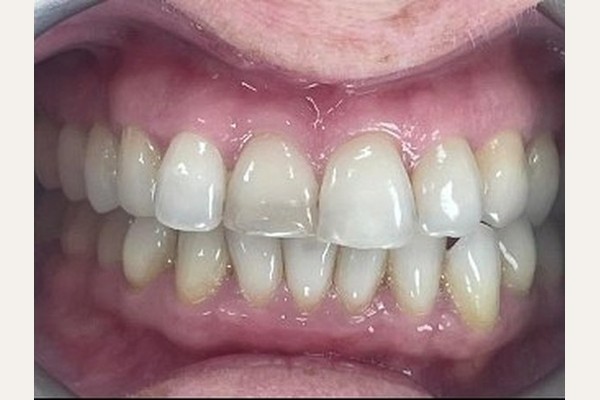
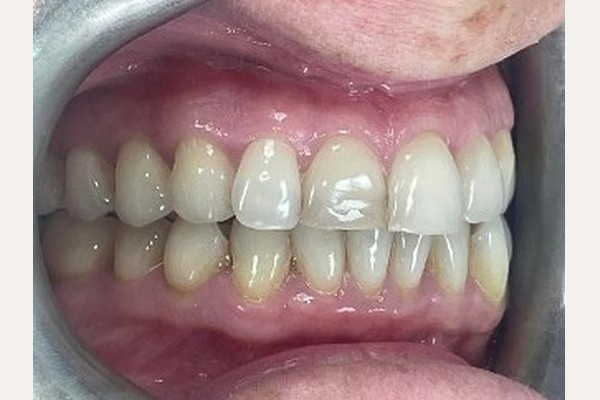
Before treatment
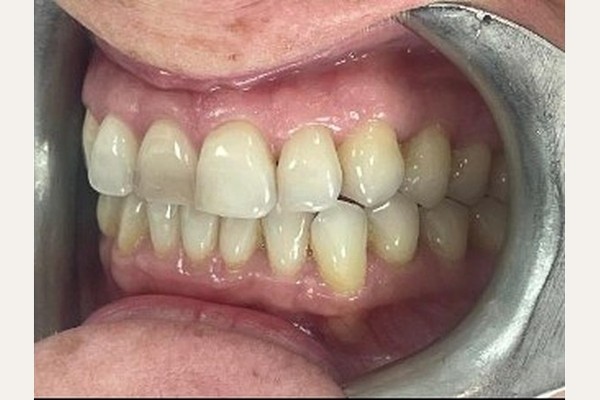
Before treatment, left side view of the bite
Left side
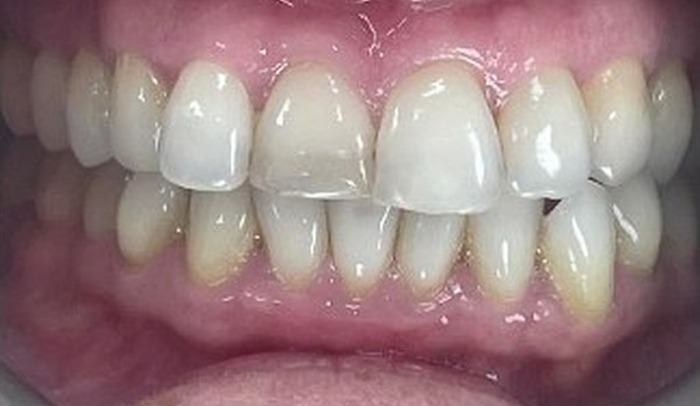
Before treatment, front view of the teeth
Front
Before treatment, right side view of the bite
Right side

Look at the side views rather than the front one. That’s where the real problem is — her bite was contributing directly to how the smile looked.

Which changes everything about how you treat it.

What veneers alone would have meant

We could have gone straight to veneers. It would have been quicker, and she’d have left happy in the short term.

But teeth restored in the wrong position force the restorations to compensate for that position. In practice:

  • More healthy tooth drilled away to make room
  • Bulkier, less natural-looking results
  • Restorations that are harder to keep clean
  • A new smile working against the bite instead of with it

That’s not a better smile. It’s a nicer-looking one, built on the same problem.

So we did it the other way round

Move the teeth into the right place first. Then finish with the smallest amount of restorative work needed.

Which meant two clinicians, planning together, before anything started.

  • The orthodontics was carried out by Dr Rohini Babber, Specialist Orthodontist, using Invisalign to correct the bite and align both jaws.
  • Manish Gudka then completed the case with composite bonding and a single porcelain veneer.
  • Because both planned it together, the teeth ended up in exactly the right place for the restorative work — not simply straightened and handed over.

The result

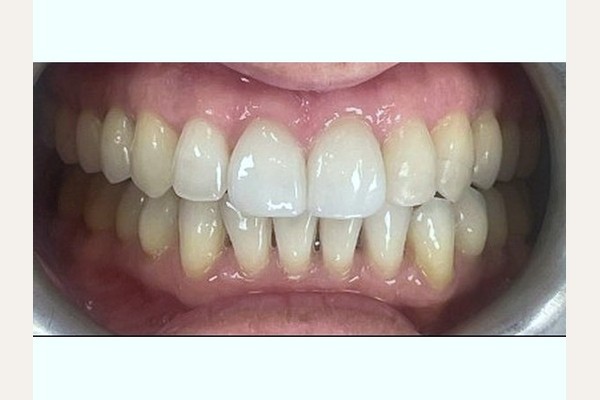
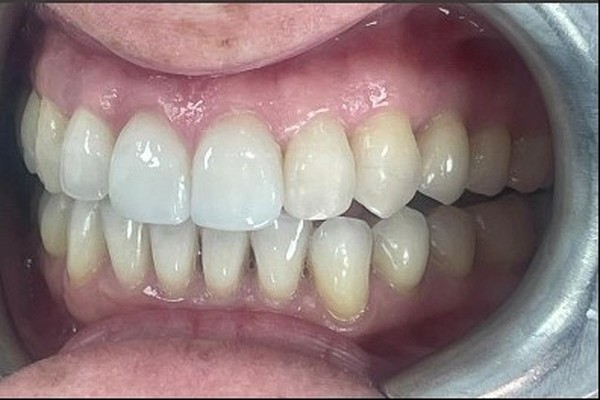
After treatment
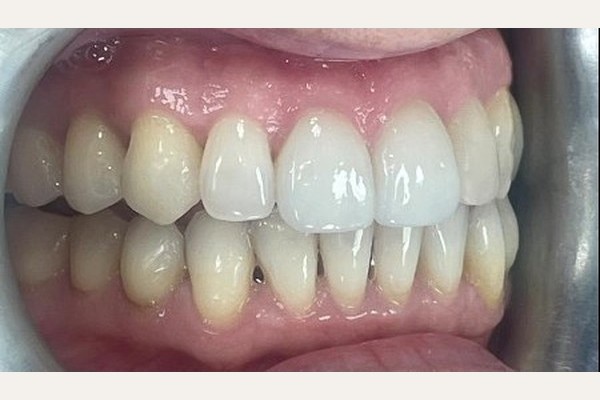
After treatment, left side view showing the corrected bite
Left side
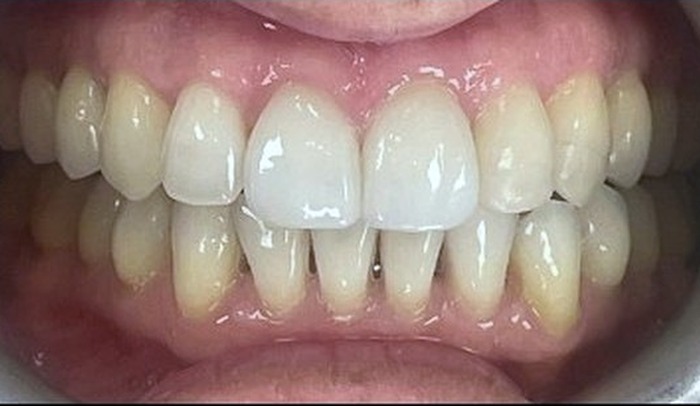
After treatment, front view showing straight teeth
Front
After treatment, right side view showing the corrected bite
Right side
One veneer. Everything else was composite bonding.
Before: crowded teeth with uneven edges
Before — crowded, uneven edges, teeth out of line
After: straight teeth with even edges
After — straight teeth and a much improved appearance
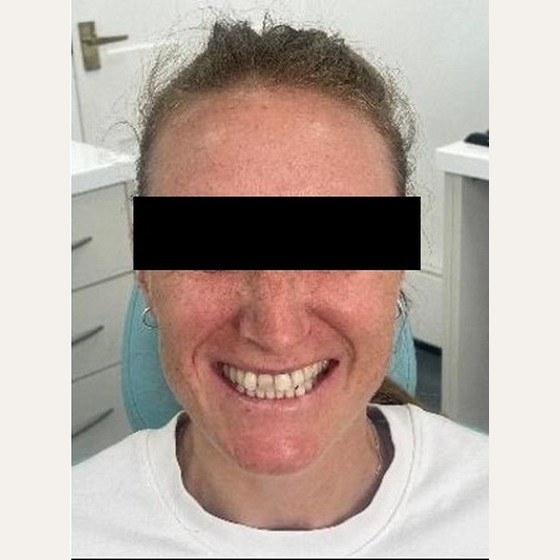
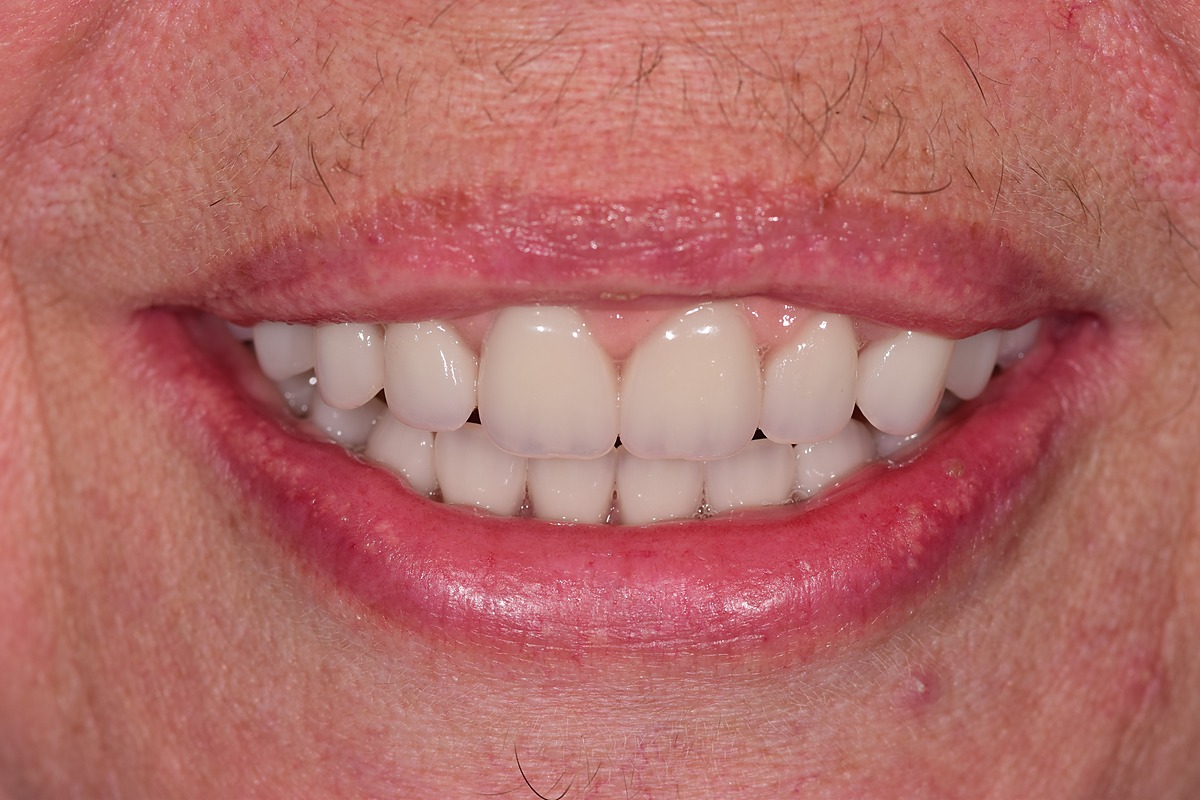
Before: how the smile presented
Before — how the smile presented
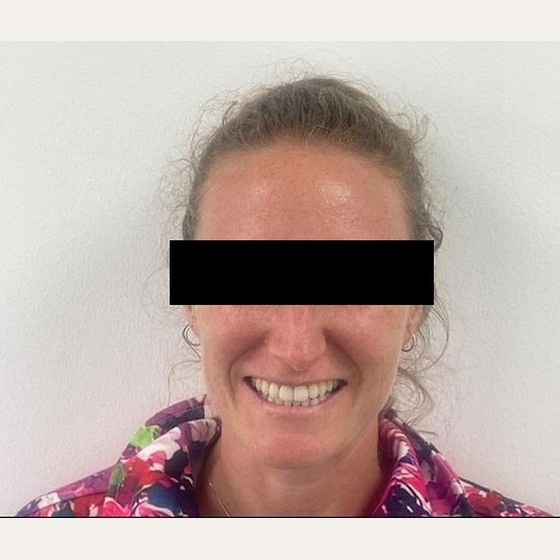
After: the smile proportioned to her face
After — proportioned to her face

Why patients come to us for this

Every specialist field under one roof. Your whole treatment planned in one place, by clinicians who work together every day — so you’re not sent elsewhere halfway through, and nobody is guessing what the last person intended.

Orthodontics here is led by Dr Rohini Babber, a Specialist Orthodontist who trained at King’s College London and gained her MSc in Orthodontics with Merit. She treats with the full range — fixed braces, ceramic and lingual braces, and clear aligners — and brings vast experience across hundreds of cases, from the straightforward to the genuinely complex.

That range matters. Aligners are excellent for many cases and unsuitable for others. Where only aligners are offered, the appliance has effectively been chosen before your assessment.

The restorative work was carried out by Manish Gudka, who graduated from King’s College London and holds a Postgraduate Certificate in Aesthetic Dentistry. Patients tend to describe him as calm and attentive, and his eye for detail is what separates a result that looks like teeth from one that looks like dental work.

One coordinated plan. Not separate opinions for you to reconcile yourself.

Common questions

Would this approach be right for me?

Not always. If your teeth are already well positioned, cosmetic work on its own may be all you need — and we’ll tell you that.

But if your bite is part of the problem, treating only the surface of it rarely lasts. The only way to know which applies to you is an assessment.

Can I have whitening as well?

Yes — but the order matters, and getting it wrong is expensive.

Whitening comes first. Your natural teeth are whitened to the shade you want and left to settle, and only then is the bonding or veneer made to match it.

Bonding and porcelain don’t whiten. If you have the restorative work done first and whiten afterwards, your natural teeth get lighter and the restorations stay exactly as they were — and the only way to fix the mismatch is to replace them.

How long does composite bonding last?

Typically several years, and often longer. Composite is a direct material, so it can pick up staining at the edges over time and may chip — but it’s straightforward to polish, repair or refresh without starting again.

How long it lasts depends on your bite, whether you grind, and what stains it: coffee, red wine and smoking all shorten it.

How long do porcelain veneers last?

Longer than bonding. Porcelain is far more stain-resistant, and many veneers last well over a decade.

Longevity depends on the same things — your bite, grinding, and gum health — and on how much sound tooth was there to bond to in the first place. Nobody can promise you an exact number, due to individual variability and the different factors involved.

Do I have to have moulds taken of my mouth?

No. We use a 3D intraoral scanner instead. It’s a small wand passed over your teeth that builds an accurate digital model on screen — no tray of material sitting in your mouth while it sets, nothing to gag on, and we can stop at any point.

It’s quicker, more comfortable, and more accurate than conventional impressions. If you’ve had a bad experience with moulds before, this is usually the thing that changes patients’ minds.

How long do I need to wear a retainer after treatment?

Indefinitely — and that isn’t a catch. Teeth have a lifelong tendency to drift back towards where they started, so retainers are what hold the result rather than an optional extra at the end.

In practice that usually means wearing them full time for a short period, then nights only, long term. It’s a small habit, and it protects not just the straightening but the bonding and veneer built on top of it.

Do I have to pay for everything at the beginning?

No. There are two ways to do it.

Most patients pay a deposit at the start and spread the remaining cost across the course of treatment, as each stage is carried out.

We also offer interest-free payment options, which are subject to status and a credit check. Either way, you’ll have a full written treatment plan with the costs set out before you commit to anything.

Landmark Dental

Thinking about veneers?

Come and find out what’s actually causing the problem first — and what your realistic options are, including the ones that don’t involve cutting healthy teeth.

01442 269 826

Landmark Dental, Apsley, Hemel Hempstead

Book a consultation

Please note: Photographs show a genuine patient treated at our practice, published with their consent, with identifying features obscured. Individual results vary. The treatment and result appropriate for you can only be determined after a clinical assessment, and all treatment carries risks and benefits which will be discussed with you in full beforehand.
Fixed Teeth in One day

Landmark Dental, Apsley, Hemel Hempstead

15 Years of Dental Fear. Fixed Teeth in One Day.

Case study | Treated by Dr Amit Duggal, Specialist Prosthodontist

Our patient had not seen a dentist for more than 15 years.

She had never had a bad dental experience. She was simply extremely anxious about dentistry — and over time, that fear had kept her away.

By the time she came for an assessment, her teeth had become very loose, one molar was painful and advanced gum disease had caused significant loss of the bone supporting her teeth.

She knew what she wanted.

Fixed teeth.

A removable denture was not an option for her, particularly because she also had a severe gag reflex.

So could we give her fixed teeth without putting her through months of treatment?

Yes.

From failing teeth to fixed teeth

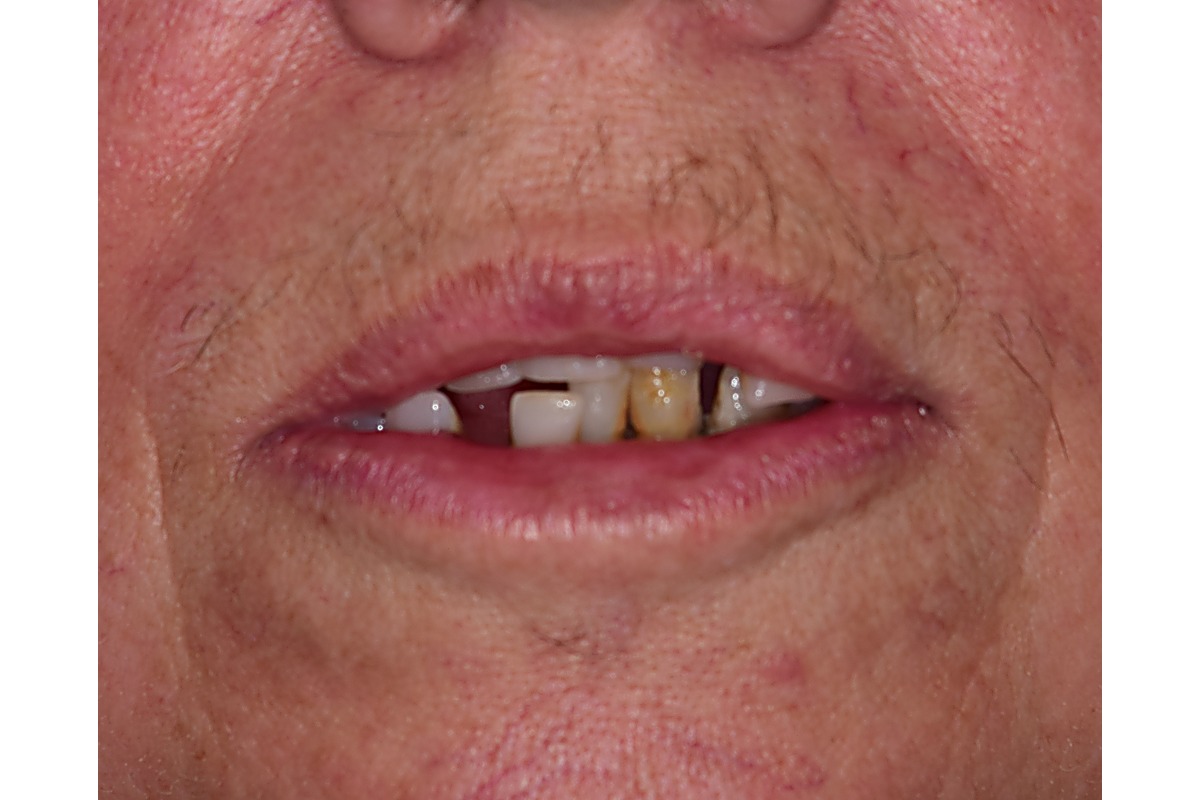
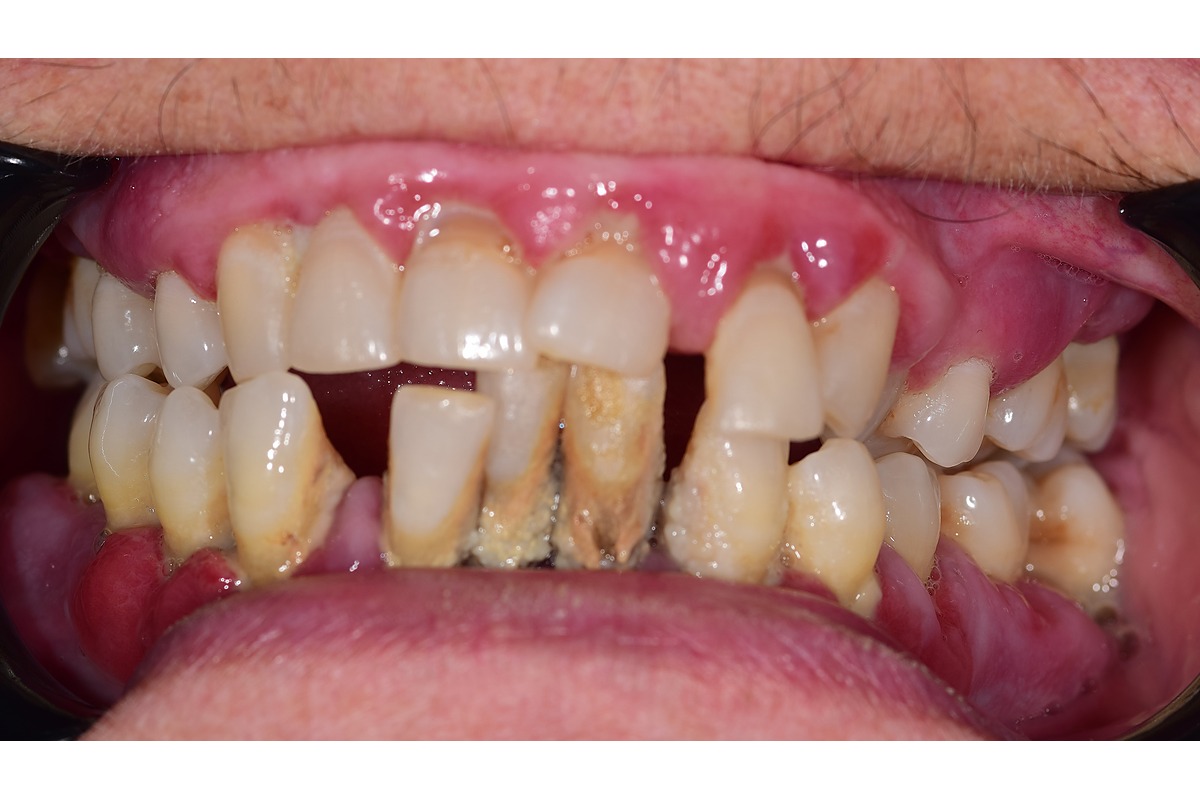
Before treatment: loose, drifting teeth with advanced gum disease
Before treatment.

The first step was understanding exactly what we were working with.

Advanced gum disease had caused extensive bone loss, leaving many of the teeth very mobile. Some of the front teeth had also drifted and separated as their supporting bone was lost.

The important thing was that this wasn’t simply a cosmetic problem.

The foundations supporting the teeth had failed.

After a full assessment and 3D scan, we planned a fixed, implant-supported solution for both jaws.

Planning the smile before treatment

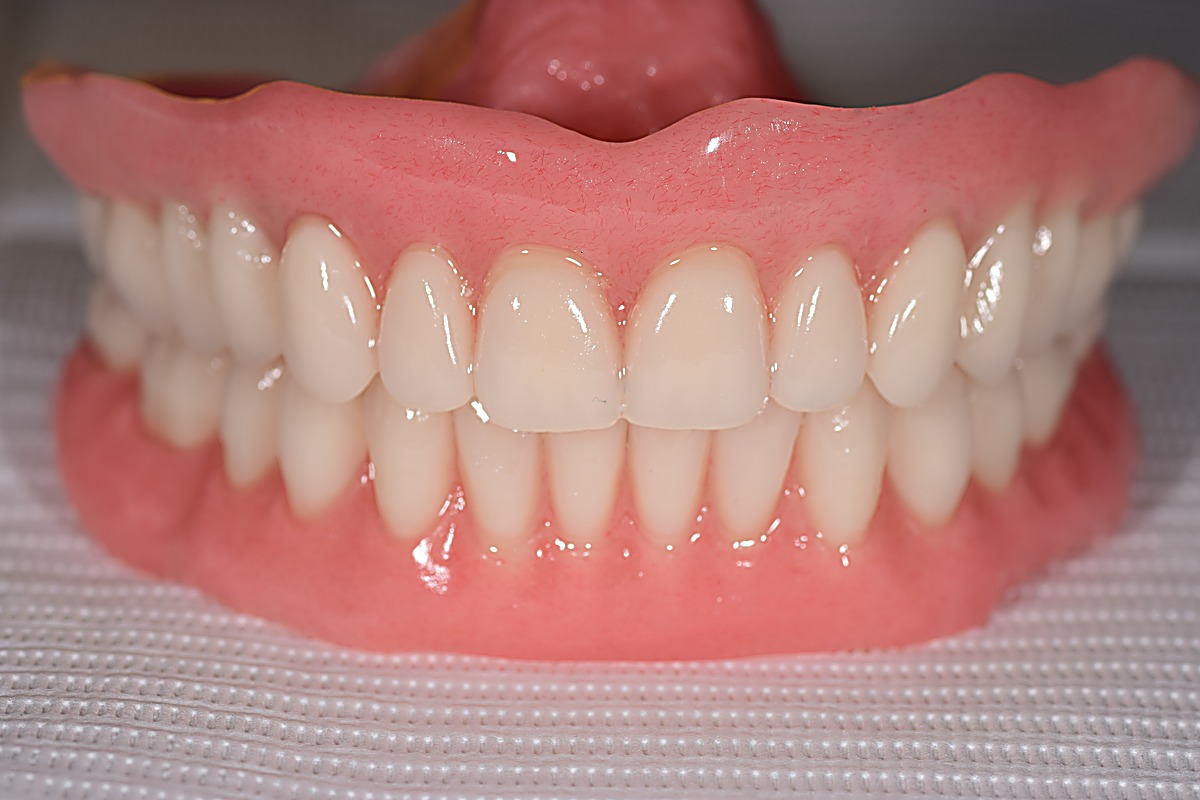
The set of dentures made in advance to test and agree the proposed new teeth
Made in advance to agree the new teeth.

Because all of the teeth were being replaced, there were no existing teeth to simply copy.

We needed to decide exactly where the new teeth should sit — their size, shape, position, bite and support for the lips.

These details were established before surgery using clinical photographs and a 3D intraoral scan.

A set of dentures was then made to test and agree the proposed teeth.

The shape and colour are discussed with you and chosen by you, within what is biologically achievable.

But here’s the interesting part:

The dentures were never intended to be worn as dentures.

They were going to become the patient’s fixed teeth.

Teeth in a day — how does it work?

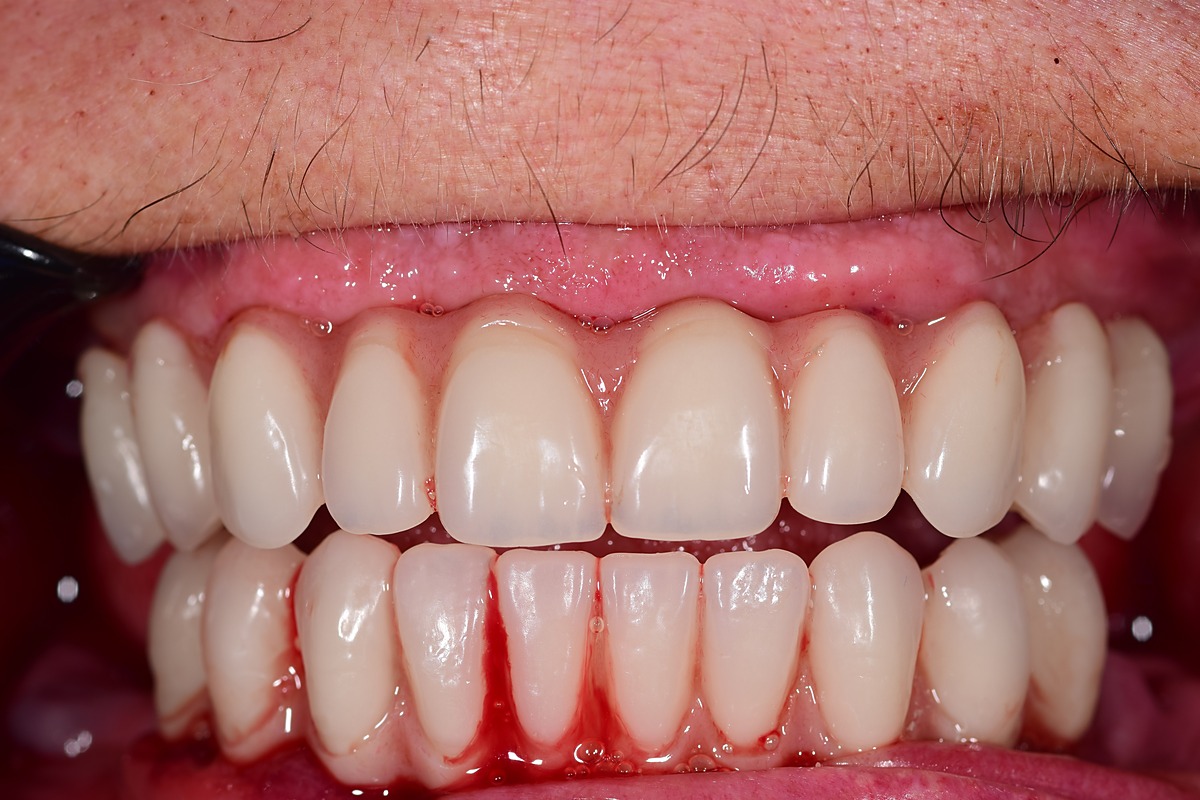
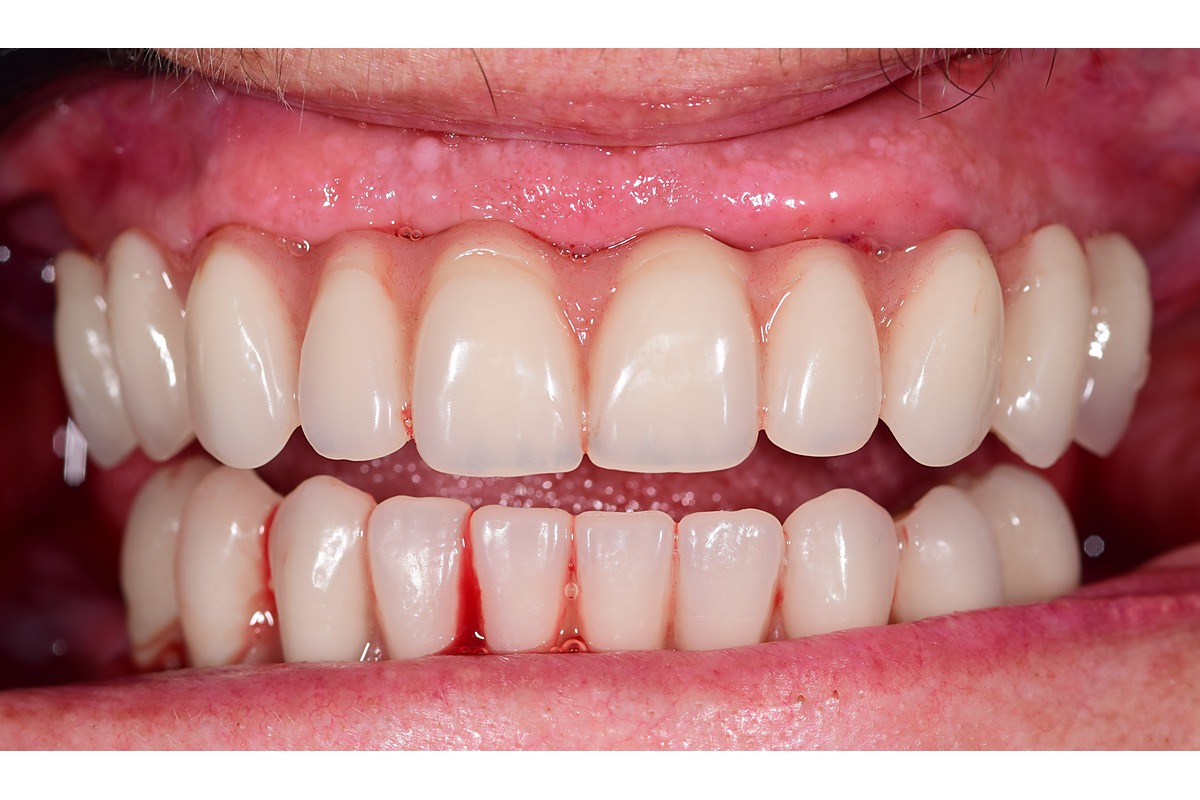
Immediately after surgery showing the fixed provisional teeth in place
Immediately after surgery — fixed provisional teeth. Some bleeding and swelling at this stage is normal and settles over the following days.

On the day of surgery, the failing teeth were removed and the implants were placed.

The pre-planned dentures were then connected to the implants and converted into fixed provisional bridges.

They were carefully trimmed, reshaped and polished so that the patient could clean underneath them properly.

She left with fixed teeth on the same day.

For someone who had avoided dentistry for 15 years and could not tolerate a conventional denture, this was a significant part of the treatment plan.

What about the gag reflex?

This was one of the factors that made a fixed solution particularly important for this patient.

A conventional upper denture covers part of the palate. For someone with a severe gag reflex, this can make wearing a denture extremely difficult.

Fixed implant-supported bridges don’t need to cover the palate and don’t need to be removed.

The patient also had her treatment carried out under sedation, helping her remain relaxed and comfortable throughout the procedure.

The photographs tell the story

Before: loose, drifting teeth and advanced gum disease
Before. Loose, drifting teeth and advanced gum disease.
Treatment day: failing teeth removed, implants placed and fixed provisional bridges fitted
Treatment day. Failing teeth removed, implants placed and fixed provisional bridges fitted.
Two-week review: the tissues have settled
Two-week review. The tissues have settled and she is getting used to her new fixed teeth.
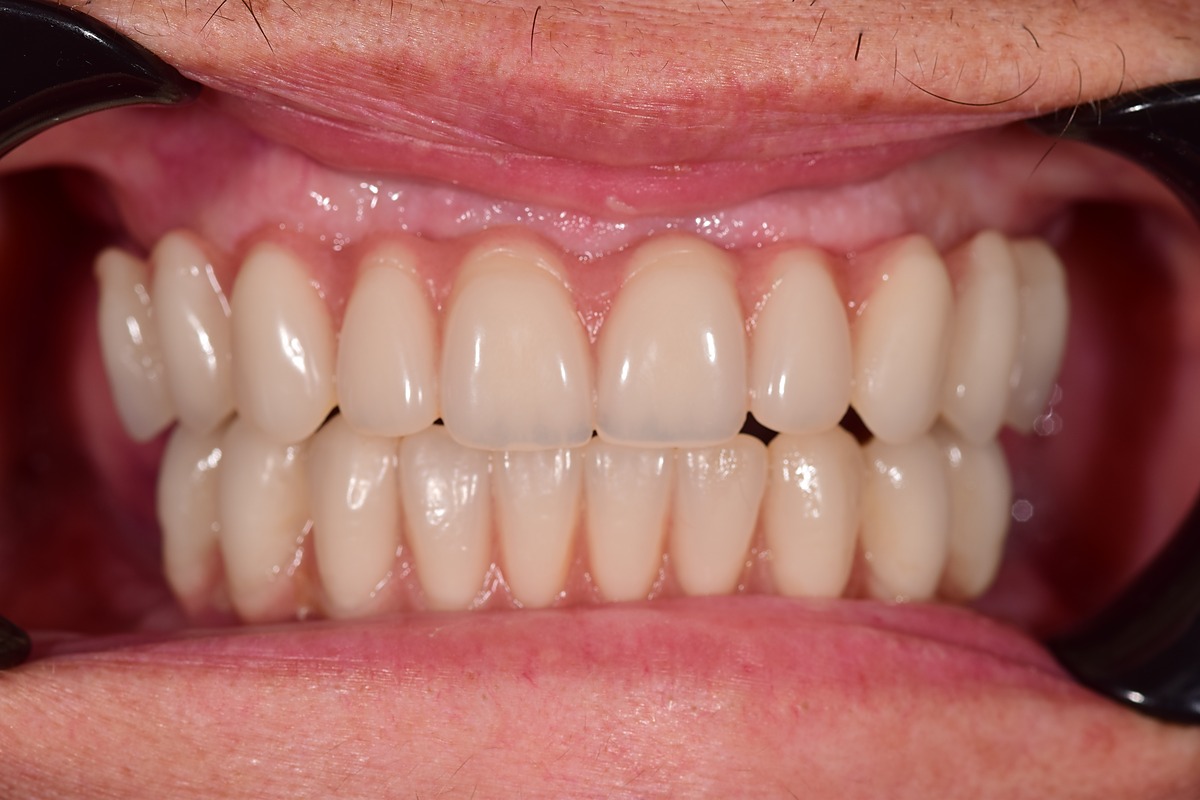
Final result: the definitive bridges have been fitted
Final teeth result. The implants have integrated and the definitive bridges have been fitted.

The transformation wasn’t just about appearance.

The patient had gone from teeth that were loose and painful to a set of fixed teeth that she could eat and smile with confidently.

Why don’t you fit the final teeth on day one?

This is an important distinction.

The teeth fitted on the day of surgery are provisional fixed bridges. They are secure and functional, but they allow the implants and surrounding tissues time to heal.

At around three months, the implants are assessed to make sure they have successfully integrated with the bone. Only then are the definitive bridges made and fitted.

This staged approach gives us the opportunity to make sure the foundation is sound before committing to the final result.

Why does who treats you matter?

This case was treated by Dr Amit Duggal, Specialist Prosthodontist.

Amit has more than 16 years of experience in implant dentistry and has placed over 1,000 implants.

But experience isn’t simply about numbers.

For complex full-mouth cases, the important question is whether the treatment is appropriate in the first place — and, if it is, how the implants and the final teeth should be planned together.

Amit’s prosthodontic training focuses on the design, function and long-term maintenance of replacement teeth as well as implant treatment.

The implants are planned around the teeth — not the other way around.

That matters.

The position of the implants affects how the final teeth look, function and can be cleaned. Planning both sides of the treatment together means the result is designed with the long term in mind from the beginning.

Fifteen years away from the dentist

Perhaps the most important part of this case isn’t the implants.

It’s the patient.

She had spent 15 years avoiding dentistry because of fear. She also had a severe gag reflex that made conventional impressions and removable dentures particularly challenging.

Rather than judging the gap or asking her to overcome her anxiety first, we planned the treatment around it.

Treatment was carried out under sedation, with the surgical stage completed in a single visit.

Fifteen years after avoiding the dentist, she walked out with fixed teeth.

Is teeth in a day right for everyone?

No — and that’s important.

Implant treatment isn’t automatically the best solution for everyone with failing teeth.

Where natural teeth can be saved and stabilised, that is usually preferable.

For patients with advanced tooth loss, severe gum disease or those who cannot tolerate dentures, however, fixed implant-supported teeth may offer another option.

Suitability depends on your individual circumstances, including your general health, gum health, bone levels, smoking status and the condition of your remaining teeth.

A detailed assessment, including 3D imaging where appropriate, is needed before a treatment plan can be recommended.

What happens after treatment?

The treatment doesn’t finish when you leave with your new teeth.

Regular reviews and professional cleaning are important, particularly for patients with a history of gum disease.

You’ll also be shown how to clean underneath and around the bridges at home.

The aim isn’t simply to give you fixed teeth. It’s to give you fixed teeth that you can look after and keep.

A new start

This patient came to see me after 15 years away from dentistry.

She wanted something fixed. She couldn’t tolerate the idea of a removable denture. Her teeth were failing and her anxiety made conventional treatment particularly difficult.

After careful planning, sedation and a single surgical visit, she left with fixed provisional teeth.

Three months later, once the implants had integrated, her definitive bridges were fitted.

From failing, mobile teeth to a fixed smile — without ever having to wear a removable denture.
Landmark Dental

There may be options you haven’t considered

If you have failing teeth, struggle with dentures, have a strong gag reflex or have been avoiding the dentist because of anxiety, book a consultation with Dr Amit Duggal at Landmark Dental to find out what may be possible for you.

01442 269 826

Landmark Dental, Apsley, Hemel Hempstead

Book a consultation

Please note: Photographs show a genuine patient treated by Dr Amit Duggal, Specialist Prosthodontist, and are published with their consent. Individual results vary. Suitability for implant treatment is confirmed only following a clinical assessment, radiographs and a 3D scan. All treatment carries risks and benefits, which will be discussed with you in full before you decide to proceed.

Root Canal

Landmark Dental, Apsley, Hemel Hempstead

This Tooth Looked Beyond Saving. We Saved It.

Case study | Landmark Dental, Apsley, Hemel Hempstead | Rajeevan Mahendran, Dentist with Special Interest in Endodontics, MSc in Endodontics
When a tooth is badly broken down, infected and difficult to restore, does it really need to come out?

Not necessarily.

This patient was referred to me by their dentist because the tooth was considered difficult to restore. It had extensive decay, very little remaining tooth structure and an infection within the nerve.

The question wasn’t simply whether the tooth needed a root canal.

Could the tooth be saved at all?

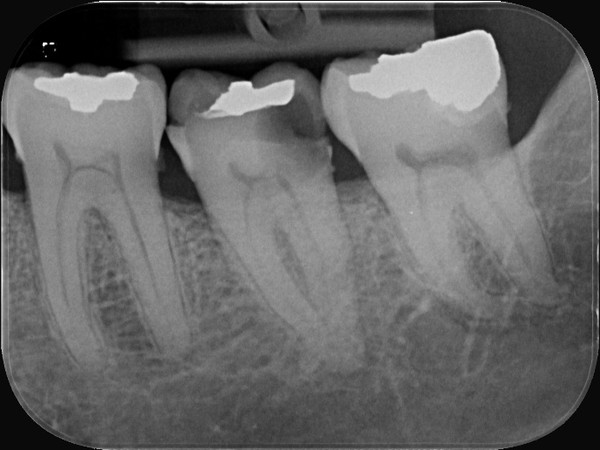
Step one: assessing whether the tooth could be saved

Radiograph before treatment showing extensive decay and breakdown of a lower back tooth
Before treatment — extensive decay and breakdown.

Before starting treatment, the tooth was carefully assessed to establish whether there was enough healthy structure remaining to give it a realistic long-term prognosis.

There was — but it needed to be rebuilt before the root canal treatment could be carried out.

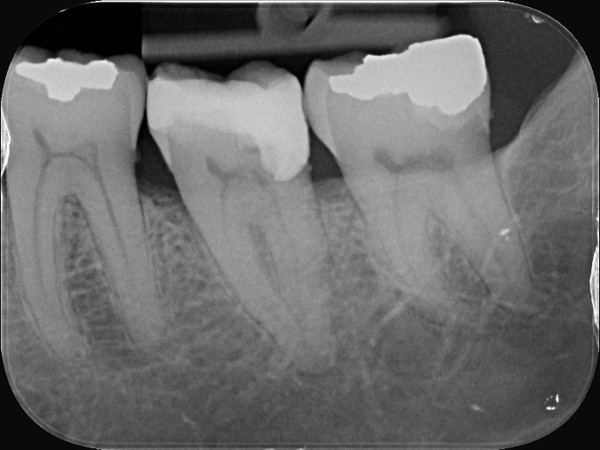
Rebuilding the tooth first

Pre-endodontic composite build-up
Pre-endodontic composite build-up.

Before the root canal treatment could be completed, the remaining tooth structure was rebuilt with a composite build-up.

This created a more stable structure and helped provide the isolation needed to carry out the endodontic treatment.

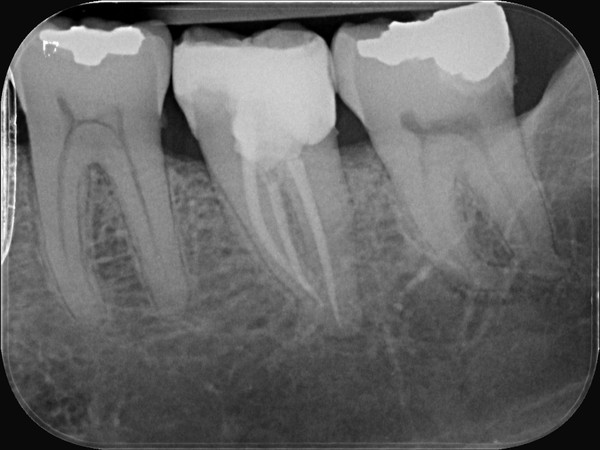
Treating the infection

Radiograph following root canal treatment
Following root canal treatment — canals cleaned, filled and sealed.

Once the tooth had been rebuilt, root canal treatment was carried out to clean, shape and disinfect the root canal system.

The canals were then filled and sealed to reduce the risk of reinfection.

Back to the referring dentist

Once the endodontic treatment was completed, the patient was referred back to their dentist for the final restoration.

Don’t just save the tooth. Give it the best possible chance of lasting.

Why final restoration matters

Root canal treatment is only one part of saving a compromised tooth. The tooth also needs to be restored properly afterwards.

The final restoration protects the remaining tooth structure and helps the tooth withstand normal biting forces.

Why was patient referred to me?

This case required careful assessment because the tooth was badly broken down and difficult to restore.

As a dentist with a special interest in endodontics, I work with referring dentists when cases are considered complex or difficult to manage.

Supporting dentists across Hertfordshire and Bedfordshire

Landmark Dental supports dentists across Hertfordshire and Bedfordshire with specialist endodontic assessment and treatment.

What makes Landmark Dental different?

The focus is not simply on completing a root canal. The aim is to understand whether the tooth can realistically be retained and, where possible, give it the best chance of lasting.

What symptoms should you look out for?

  • Toothache or persistent dental pain
  • Pain when biting or chewing
  • Sensitivity to hot or cold
  • Swelling around the tooth
  • Tender or swollen gums
  • A recurring dental abscess
  • Discolouration of the tooth
  • Pain that does not settle

Does root canal treatment hurt?

Modern techniques and effective local anaesthesia mean that root canal treatment should be carried out as comfortably as possible.

Can every tooth be saved?

Not every tooth can be saved. The decision depends on factors such as the amount of healthy tooth structure remaining, the condition of the supporting tissues and whether the tooth can be predictably restored.

The outcome

The tooth was successfully treated and returned to the referring dentist for its final restoration.

It was to give the tooth a realistic chance of staying in the patient’s mouth for many years to come.

Landmark Dental

A tooth you’ve been told is difficult to treat?

If you’ve been told that a tooth may be difficult to treat or restore, an assessment can help determine what options may be available.

Landmark Dental
Apsley, Hemel Hempstead
Hertfordshire

Book an assessment

The radiographs shown are genuine patient images from treatment carried out at the practice and have been published with the patient’s consent. Individual results vary. An assessment is required to determine whether treatment is appropriate, and the risks and benefits will be discussed with you.