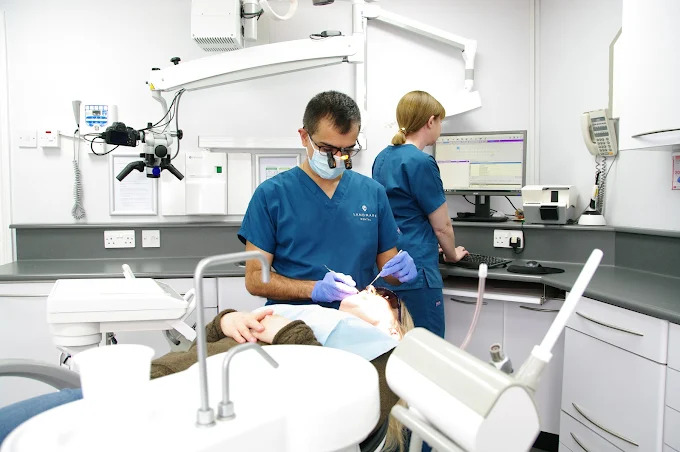
Tooth decay symptoms often start small but can worsen if ignored. Tooth decay is one of the most common dental problems, affecting both children and adults. The good news is that tooth decay is largely preventable – and when caught early, it can often be treated before it causes serious damage with regular visits to a trusted Landmark Dental.
In this guide, we’ll explain the early signs of tooth decay, what causes it, how it progresses, and most importantly, how you can prevent it and protect your smile for the long term.
What Is Tooth Decay?
Tooth decay happens when harmful bacteria in your mouth produce acids that gradually damage the enamel – the hard outer layer of your teeth. Over time, this damage can lead to cavities (small holes in the teeth), sensitivity, and eventually pain if not treated.
Tooth decay doesn’t usually happen overnight. It develops slowly, which means spotting the early warning signs can make a big difference in preventing more serious dental issues.
Tooth Decay Symptoms & Early Warning Signs
Many people don’t realise they have tooth decay until they feel pain. However, there are several early symptoms you should watch out for:
1. Tooth Sensitivity
If you feel discomfort when eating hot, cold, or sweet foods, it could be an early sign of enamel weakening due to decay.
2. White or Chalky Spots on Teeth
These spots are often the first visible sign that minerals are being lost from the enamel. At this stage, decay can still be reversed with proper care.
3. Mild Toothache
A dull ache or occasional discomfort may indicate early decay beneath the surface of the tooth.
4. Bad Breath or Unpleasant Taste
Persistent bad breath can sometimes be caused by bacteria associated with tooth decay.
5. Dark Spots or Stains
Brown or black marks on teeth may signal that decay has progressed and needs dental attention.
Recognising these symptoms early can help prevent the need for more complex dental treatments later on. If you notice any of these signs, it’s best to book a check-up with a local dentist to prevent the decay from progressing.
What Causes Tooth Decay?
Tooth decay is usually caused by a combination of factors rather than just one issue. Understanding the causes behind tooth decay symptoms helps you prevent long-term damage.
Poor Oral Hygiene
Not brushing and flossing regularly allows plaque – a sticky film of bacteria – to build up on the teeth. Plaque produces acids that weaken enamel over time.
Sugary and Acidic Foods
Frequent consumption of sugary snacks, fizzy drinks, and acidic foods feeds harmful bacteria, increasing the risk of cavities.
Dry Mouth
Saliva helps wash away food particles and neutralise acids. A dry mouth can increase the chances of tooth decay developing more quickly.
Frequent Snacking
Snacking often, especially on sugary foods, gives bacteria more opportunities to produce acid attacks on your teeth throughout the day.
Lack of Regular Dental Check-ups
Without routine dental visits, early signs of decay can go unnoticed until the problem becomes more serious.
The Stages of Tooth Decay
Tooth decay progresses in stages. Knowing these stages can help you understand why early detection is so important.
Stage 1: Enamel Demineralisation
At this stage, white spots may appear on the tooth surface. The enamel begins to weaken, but damage is still reversible with fluoride and good oral care.
Stage 2: Enamel Decay
The enamel starts breaking down, forming small cavities. You may notice sensitivity at this point.
Stage 3: Dentin Decay
Decay spreads deeper into the dentin layer beneath the enamel. Sensitivity and discomfort usually become more noticeable.
Stage 4: Pulp Damage
If untreated, bacteria reach the pulp (inner part of the tooth containing nerves), causing significant pain and possible infection.
Stage 5: Abscess Formation
This is the most severe stage, where infection can spread and may require more complex dental treatment.
Preventing decay early can help you avoid reaching the later, more painful stages.
How to Prevent Tooth Decay
Preventing tooth decay is much easier than treating it. Small daily habits can make a big difference to your oral health.
Brush Twice a Day
Brush your teeth morning and night using a fluoride toothpaste. This helps remove plaque and strengthen enamel.
Floss Daily
Flossing cleans the areas between your teeth where a toothbrush cannot reach, reducing plaque build-up.
Limit Sugary Foods and Drinks
Try to reduce how often you consume sugary snacks, sweets, and fizzy drinks. If you do have them, it’s better to have them with meals rather than frequently throughout the day.
Drink Plenty of Water
Water helps rinse away food particles and supports saliva production, which protects against decay.
Use Fluoride Products
Fluoride strengthens enamel and helps reverse early stages of decay. Your dentist may also recommend fluoride mouthwash if needed.
Visit Your Dentist Regularly
Routine dental check-ups allow early detection of tooth decay before it becomes painful or complicated to treat.
When Should You See a Dentist?
You should book a dental check-up if you notice:
- Ongoing tooth sensitivity
- Dark spots or visible holes in teeth
- Persistent bad breath
- Pain when biting or chewing
- Swelling or discomfort in the gums
Even if you don’t have symptoms, regular dental visits are essential to keep your teeth healthy and catch any early signs of decay.
Why Early Treatment Matters
Ignoring early signs of tooth decay can lead to more extensive dental problems later. Small cavities can often be treated quickly, but advanced decay may require more involved procedures.
Early care helps:
- Prevent pain and infection
- Preserve natural tooth structure
- Reduce the need for complex treatments
- Maintain long-term oral health
Taking action early is always the best approach.
Final Thoughts
Tooth decay is common, but it is also largely preventable with the right care and awareness. By recognising early warning signs, maintaining good oral hygiene, and attending regular dental check-ups, you can protect your teeth and avoid future dental problems.
If you are experiencing early symptoms of tooth decay or simply want to maintain a healthy smile, visiting a trusted local dentist can make all the difference. Our team focuses on prevention, early detection, and personalised advice to help you keep your teeth strong and healthy.
If you’re looking for a reliable dentist in Hemel Hempstead, you can learn more about our preventive dental care and book a routine check-up today.