
Tooth Pain After Filling – Is It Normal? Causes, Relief & Advice

Getting a dental filling is supposed to solve a problem – so it can feel confusing (and worrying) when the tooth starts hurting afterwards. This kind of tooth pain can raise many questions, especially about how to stop severe tooth pain fast and whether the discomfort is part of normal healing.

The good news is that mild discomfort or sensitivity after a filling is actually quite common and usually settles on its own. However, persistent or sharp pain may indicate that something else needs attention. Understanding the possible reasons behind post-treatment tooth pain helps you know how to reduce tooth pain safely while the tooth recovers.

This guide explains why tooth pain can occur after a filling, how long it typically lasts, what’s normal, and when you should consider seeing a dentist.

Mild tooth pain after a filling is normal and usually settles within 1–2 weeks. If your tooth hurts when biting, the filling may be slightly high. New filling sensitivity to hot or cold foods is common. However, throbbing or worsening pain should be checked by a dentist.

Is Tooth Pain Normal After a Filling?

Yes, some level of sensitivity is completely normal. Your tooth has been drilled, cleaned, and filled – which can temporarily irritate the nerve inside. As the tooth heals and adapts to the new filling material, you may notice these symptoms are generally milder compared to severe toothache tooth pain caused by deeper decay or infection.

  • Sensitivity to hot or cold foods
  • Mild discomfort when biting
  • A dull ache that comes and goes

In most cases, this settles within a few days to two weeks.

Why Does My Tooth Hurt After a Filling?

If you’re wondering, “Why does my tooth hurt after a filling?”, the most common reason is temporary nerve irritation. During cavity treatment, the inner part of the tooth can become slightly inflamed. This inflammation can cause sensitivity, pressure discomfort, or even shooting pain in the tooth after a filling. In most cases, this settles as the nerve heals.

Common Reasons Your Tooth Hurts After a Filling

1. Nerve Irritation Inside the Tooth

During cavity treatment, the inner nerve can become inflamed. This irritation can temporarily trigger tooth pain, even though the underlying cavity has been treated successfully. This is especially common if the decay was deep. The nerve usually calms down gradually as the tooth recovers.

2. Bite Misalignment (High Filling)

If the filling is slightly higher than your natural bite, it can put excess pressure on the tooth while chewing. This often causes:

  • Pain when biting down
  • Tenderness around the filled tooth
  • Jaw discomfort on one side

A simple bite adjustment by a dentist usually resolves this quickly.

3. Sensitivity to Temperature Changes

New fillings can temporarily make teeth more sensitive to hot or cold foods. This happens because the tooth structure is adjusting and the dentin layer (inside the enamel) is more reactive after treatment.

4. Deep Decay Close to the Nerve

When the cavity is close to the nerve, the healing process takes longer. In such cases, sensitivity may last a few weeks but should gradually improve.

5. Filling Material Reaction

Some people experience mild sensitivity to certain filling materials, especially composite (tooth-coloured) fillings. This reaction is usually temporary.

Tooth Pain Worse After Filling – Is That Normal?

Some patients notice their tooth pain feels worse after the numbness wears off. This does not always mean something is wrong. Tooth pain worse after filling can happen due to temporary inflammation, bite pressure, or sensitivity from deep decay removal. The discomfort should gradually improve over several days. If it becomes throbbing or severe, a review is recommended.

How Long Should a Filling Hurt?

The recovery timeline varies depending on the size and depth of the filling. Unlike wisdom tooth pain, which can sometimes last longer depending on eruption or inflammation, post-filling sensitivity typically improves within days.

  • First 24–48 hours: Mild soreness or sensitivity is common
  • Up to 2 weeks: Occasional sensitivity to pressure or temperature
  • Beyond 2–3 weeks: Pain should significantly reduce or disappear

If discomfort persists or worsens instead of improving, it’s worth getting the tooth reassessed.

Many people search for “how long does tooth pain last after filling?” In most cases, mild sensitivity lasts a few days to two weeks. Deep fillings or composite filling sensitivity may take slightly longer, but the discomfort should gradually reduce rather than intensify.

Why Does My New Filling Hurt When I Bite Down?

If your new filling hurts when biting down, it may be slightly higher than your natural bite. Even a small height difference can create continuous pressure on the tooth. Common filling-too-high symptoms include sharp pain while chewing, jaw soreness on one side, or the feeling that one tooth touches first.

Pain specifically when biting down is often linked to a bite imbalance. Even a tiny difference in height can place continuous stress on the tooth.

Signs of a high filling include:

  • Sharp pain when chewing
  • Feeling that one tooth touches before others
  • Relief when avoiding chewing on that side

This doesn’t mean the filling has failed – it simply needs minor reshaping.

Sharp vs Dull Pain: What’s the Difference?

Understanding the type of pain can help you judge whether it’s part of normal healing or something more serious.

Dull, Achy Sensitivity

Usually a normal healing response. Often improves over time and is triggered by temperature or pressure.

Sharp, Lingering Pain

Could indicate:

  • Nerve inflammation
  • A filling that’s too high
  • A crack in the tooth or filling
  • Rarely, infection or pulp irritation

Lingering sharp pain, especially at night, should not be ignored.

What You Can Do at Home

If your tooth hurts after a filling, these simple steps may help ease the discomfort. these practical measures act as short-term tooth pain relief while the tooth gradually adjusts to the new filling.

  • Avoid very hot, cold, or sugary foods temporarily: Gentle home care and simple remedies for tooth pain and toothache can help reduce tooth pain during the healing phase.
  • Chew on the opposite side for a few days
  • Use a toothpaste designed for sensitive teeth
  • Maintain gentle brushing and flossing around the area
  • Take over-the-counter pain relief if advised by your dentist

These measures support healing while preventing further irritation.

When Tooth Pain After a Filling Is NOT Normal

While mild sensitivity is expected, certain symptoms may signal that the tooth needs professional attention. Severe or worsening discomfort may feel like unbearable tooth pain, and knowing what to do at home initially can provide temporary relief before seeking dental advice.

  • Severe pain that doesn’t improve after a week
  • Throbbing or pulsating discomfort
  • Swelling around the tooth or gums
  • Pain that wakes you up at night
  • Sensitivity that lasts more than three weeks

These signs may indicate deeper nerve involvement or a filling that requires adjustment. In such cases, it’s advisable to consult an experienced King Street dentist who can assess whether the filling or bite needs minor correction.

Can a Filling Cause Long-Term Sensitivity?

In most cases, no. Long-term sensitivity usually happens only when this discomfort is usually less intense than pain after tooth extraction or pain after pulling a tooth, which involves deeper tissue healing.

  • The decay was extremely deep
  • The nerve was already inflamed before treatment
  • The bite alignment needs correction

With proper evaluation, these issues are typically manageable and do not always require further major treatment.

When Should You See a Dentist?

You should consider a dental check-up if:

  • Pain increases instead of improving
  • Biting causes sharp or intense discomfort
  • Sensitivity remains beyond a few weeks
  • You’re unsure whether the reaction is normal

Persistent discomfort is not something to “just wait out”, especially if it interferes with daily eating or sleep. Consulting a qualified professional can help identify whether the filling simply needs minor adjustment or if the nerve needs additional care.

If you’re searching for a reliable evaluation, many people look for a trusted King Street dentist or simply search for a “dentist near me” to get their bite and filling checked promptly.

Sensitive Tooth After Cavity Filling – When to Worry

A sensitive tooth after cavity filling is common, especially with hot, cold, or sweet foods. However, if the sensitivity becomes prolonged, turns into throbbing tooth pain after filling, or wakes you at night, this could indicate deeper nerve inflammation. In such cases, your dentist may reassess the filling or check for pulp irritation.

Frequently Asked Questions

Why does my tooth hurt weeks after a filling?

This may happen if the filling is slightly high, the nerve is still healing, or there was deep decay near the pulp. A quick dental review can determine the exact cause.

Is sensitivity after a dental filling permanent?

No, sensitivity is usually temporary. Most teeth settle within a few weeks once the nerve adapts.

What does it mean if my tooth hurts only when I bite?

This commonly indicates bite misalignment. A simple adjustment can relieve the pressure and eliminate the pain.

Can a filling be redone if pain continues?

Yes, if necessary, the dentist may adjust, polish, or replace the filling depending on the underlying issue.

What should I do if I have unbearable tooth pain at home?

If you experience unbearable tooth pain at home, avoid chewing on that side, rinse with warm salt water, and take dentist-approved pain relief if necessary. However, persistent or severe pain should always be evaluated professionally to identify the exact cause.

Final Thoughts

Experiencing tooth pain after a filling can feel unsettling, but in most cases it’s simply part of the normal healing process. Mild sensitivity, especially to pressure or temperature, usually fades within a couple of weeks. The key is to monitor the pattern of pain – improving discomfort is reassuring, while worsening or persistent pain should be evaluated.

Managing tooth pain early and understanding how to reduce tooth pain can prevent minor sensitivity from turning into a more serious dental issue.
Tooth Decay: Early Signs, Causes & Prevention Guide

Tooth decay symptoms often start small but can worsen if ignored. Tooth decay is one of the most common dental problems, affecting both children and adults. The good news is that tooth decay is largely preventable – and when caught early, it can often be treated before it causes serious damage with regular visits to a trusted Landmark Dental.

In this guide, we’ll explain the early signs of tooth decay, what causes it, how it progresses, and most importantly, how you can prevent it and protect your smile for the long term.

What Is Tooth Decay?

Tooth decay happens when harmful bacteria in your mouth produce acids that gradually damage the enamel – the hard outer layer of your teeth. Over time, this damage can lead to cavities (small holes in the teeth), sensitivity, and eventually pain if not treated.

Tooth decay doesn’t usually happen overnight. It develops slowly, which means spotting the early warning signs can make a big difference in preventing more serious dental issues.

Tooth Decay Symptoms & Early Warning Signs

Many people don’t realise they have tooth decay until they feel pain. However, there are several early symptoms you should watch out for:

1. Tooth Sensitivity

If you feel discomfort when eating hot, cold, or sweet foods, it could be an early sign of enamel weakening due to decay.

2. White or Chalky Spots on Teeth

These spots are often the first visible sign that minerals are being lost from the enamel. At this stage, decay can still be reversed with proper care.

3. Mild Toothache

A dull ache or occasional discomfort may indicate early decay beneath the surface of the tooth.

4. Bad Breath or Unpleasant Taste

Persistent bad breath can sometimes be caused by bacteria associated with tooth decay.

5. Dark Spots or Stains

Brown or black marks on teeth may signal that decay has progressed and needs dental attention.

Recognising these symptoms early can help prevent the need for more complex dental treatments later on. If you notice any of these signs, it’s best to book a check-up with a local dentist to prevent the decay from progressing.

What Causes Tooth Decay?

Tooth decay is usually caused by a combination of factors rather than just one issue. Understanding the causes behind tooth decay symptoms helps you prevent long-term damage.

Poor Oral Hygiene

Not brushing and flossing regularly allows plaque – a sticky film of bacteria – to build up on the teeth. Plaque produces acids that weaken enamel over time.

Sugary and Acidic Foods

Frequent consumption of sugary snacks, fizzy drinks, and acidic foods feeds harmful bacteria, increasing the risk of cavities.

Dry Mouth

Saliva helps wash away food particles and neutralise acids. A dry mouth can increase the chances of tooth decay developing more quickly.

Frequent Snacking

Snacking often, especially on sugary foods, gives bacteria more opportunities to produce acid attacks on your teeth throughout the day.

Lack of Regular Dental Check-ups

Without routine dental visits, early signs of decay can go unnoticed until the problem becomes more serious.

The Stages of Tooth Decay

Tooth decay progresses in stages. Knowing these stages can help you understand why early detection is so important.

Stage 1: Enamel Demineralisation

At this stage, white spots may appear on the tooth surface. The enamel begins to weaken, but damage is still reversible with fluoride and good oral care.

Stage 2: Enamel Decay

The enamel starts breaking down, forming small cavities. You may notice sensitivity at this point.

Stage 3: Dentin Decay

Decay spreads deeper into the dentin layer beneath the enamel. Sensitivity and discomfort usually become more noticeable.

Stage 4: Pulp Damage

If untreated, bacteria reach the pulp (inner part of the tooth containing nerves), causing significant pain and possible infection.

Stage 5: Abscess Formation

This is the most severe stage, where infection can spread and may require more complex dental treatment.

Preventing decay early can help you avoid reaching the later, more painful stages.

How to Prevent Tooth Decay

Preventing tooth decay is much easier than treating it. Small daily habits can make a big difference to your oral health.

Brush Twice a Day

Brush your teeth morning and night using a fluoride toothpaste. This helps remove plaque and strengthen enamel.

Floss Daily

Flossing cleans the areas between your teeth where a toothbrush cannot reach, reducing plaque build-up.

Limit Sugary Foods and Drinks

Try to reduce how often you consume sugary snacks, sweets, and fizzy drinks. If you do have them, it’s better to have them with meals rather than frequently throughout the day.

Drink Plenty of Water

Water helps rinse away food particles and supports saliva production, which protects against decay.

Use Fluoride Products

Fluoride strengthens enamel and helps reverse early stages of decay. Your dentist may also recommend fluoride mouthwash if needed.

Visit Your Dentist Regularly

Routine dental check-ups allow early detection of tooth decay before it becomes painful or complicated to treat.

When Should You See a Dentist?

You should book a dental check-up if you notice:

  • Ongoing tooth sensitivity
  • Dark spots or visible holes in teeth
  • Persistent bad breath
  • Pain when biting or chewing
  • Swelling or discomfort in the gums

Even if you don’t have symptoms, regular dental visits are essential to keep your teeth healthy and catch any early signs of decay.

Why Early Treatment Matters

Ignoring early signs of tooth decay can lead to more extensive dental problems later. Small cavities can often be treated quickly, but advanced decay may require more involved procedures.

Early care helps:


  • Prevent pain and infection
  • Preserve natural tooth structure
  • Reduce the need for complex treatments
  • Maintain long-term oral health

Taking action early is always the best approach.

Final Thoughts

Tooth decay is common, but it is also largely preventable with the right care and awareness. By recognising early warning signs, maintaining good oral hygiene, and attending regular dental check-ups, you can protect your teeth and avoid future dental problems.

If you are experiencing early symptoms of tooth decay or simply want to maintain a healthy smile, visiting a trusted local dentist can make all the difference. Our team focuses on prevention, early detection, and personalised advice to help you keep your teeth strong and healthy.

If you’re looking for a reliable dentist in Hemel Hempstead, you can learn more about our preventive dental care and book a routine check-up today.

Dental Treatments Explained: Implants, Crowns, Fillings & Tooth Replacement Options

Dental problems such as cavities, damaged teeth, or missing teeth are very common. Fortunately, modern dental treatments offer reliable solutions to restore both oral health and confidence. From tooth fillings and dental crowns to advanced procedures like dental implants, there are several options available depending on the condition of your teeth.

In this guide, we explain the most common dental treatments, how they work, and which options are available if you need to replace missing teeth.

Common Dental Treatments for Damaged Teeth

Many dental issues can be treated early with simple procedures that restore the structure and function of a tooth.

Tooth Fillings

A tooth filling is one of the most common treatments used to repair teeth damaged by decay. During the procedure, the dentist removes the decayed part of the tooth and fills the space with a material such as composite resin.

Dental fillings help to:

  • Stop cavities from spreading
  • Restore the tooth’s shape and strength
  • Prevent further tooth damage

Early treatment with dental filling procedures can often prevent the need for more complex treatments later.

Dental Crowns

A dental crown (sometimes called a tooth cap) is used when a tooth is severely damaged, cracked, or weakened.

So what is a crown on a tooth?

A dental crown is a custom-made cover that fits over the entire tooth to restore its shape, size, and strength.

Crowns are commonly used for:

  • Protecting weak teeth
  • Restoring broken teeth
  • Covering large fillings
  • Supporting a dental bridge
  • Improving the appearance of a tooth

Crowns can be made from porcelain, ceramic, metal, or a combination of materials, depending on the patient’s needs.

Tooth Replacement Options for Missing Teeth

Missing teeth can affect chewing, speech, and confidence. They can also lead to bone loss and shifting teeth if left untreated.

Fortunately, several tooth replacement options are available today.

Dental Implants

Dental implants are considered one of the most effective solutions for missing tooth replacement.

A dental implant is a titanium post that is surgically placed into the jawbone, acting as an artificial tooth root. Once the implant integrates with the bone, a crown is attached on top to create a natural-looking replacement tooth.

Benefits of tooth implants include:

  • Long-term durability
  • Natural appearance and function
  • Prevention of jawbone loss
  • No damage to neighbouring teeth

Dental implants are often used to replace lost teeth, single missing teeth, or even support full sets of replacement teeth.

Some patients who wear dentures may also benefit from dental implants for false teeth, which help secure dentures more firmly in place.

Dental Bridges

Another option to replace a missing tooth is a dental bridge.

So, what is a bridge for teeth?

A dental bridge is a prosthetic tooth that fills the gap created by a missing tooth. The artificial tooth is supported by crowns placed on the neighbouring teeth.

Dental bridges are commonly used when:

  • One or two teeth are missing
  • The surrounding teeth are healthy enough to support the bridge
  • A patient prefers a non-surgical solution

Bridges can restore the ability to chew properly and prevent surrounding teeth from shifting.

Dentures

Dentures are removable appliances used for multiple missing teeth or full tooth loss.

There are two main types:

  • Partial dentures – used when some natural teeth remain
  • Full dentures – used when all teeth are missing

Modern dentures are more comfortable and natural-looking than older designs, making them a practical solution for many patients seeking replacement teeth.

How Dentists Choose the Right Treatment

The best teeth replacement or dental treatment depends on several factors, including:

  • The number of missing or damaged teeth
  • The health of surrounding teeth
  • Jawbone condition
  • Budget and long-term goals

For example:

  • A tooth filling may be enough for small cavities
  • A dental crown may be recommended for severely damaged teeth
  • A tooth implant may be the best option for replacing a single missing tooth
  • A bridge tooth solution may be recommended when implants are not suitable

A dentist will examine your teeth and recommend the most appropriate teeth treatment based on your individual needs.

Why Replacing Missing Teeth Is Important

Leaving a missing tooth untreated can cause several oral health problems over time.

These include:

  • Shifting teeth
  • Bite problems
  • Difficulty chewing
  • Jawbone deterioration
  • Changes in facial appearance

By choosing the right missing tooth replacement treatment, patients can restore both function and appearance while protecting long-term oral health.

Preventing Future Dental Problems

While modern dental treatments are highly effective, prevention is always the best approach.

To maintain healthy teeth and avoid the need for treatments such as fillings or crowns, dentists recommend:

  • Brushing twice daily with fluoride toothpaste
  • Flossing every day
  • Reducing sugary foods and drinks
  • Attending regular dental check-ups
  • Addressing dental problems early

Good oral hygiene habits can significantly reduce the risk of cavities, tooth damage, and tooth loss.

When to See a Dentist

You should visit a dentist if you experience:

  • Tooth pain or sensitivity
  • A cracked or broken tooth
  • Loose teeth
  • Missing teeth
  • Difficulty chewing

Early diagnosis can help dentists treat problems quickly and prevent more complex procedures.

✔ In summary, modern dental treatments offer many effective solutions for restoring damaged or missing teeth. Whether you need a simple tooth filling, a dental crown, or advanced dental implants, the right treatment can restore both your smile and confidence.

If you are dealing with missing teeth, speaking with a dentist can help you explore the most suitable tooth replacement options for your situation.

Complete Guide to Dental Treatment Options in Hemel Hempstead

If you are looking for dental treatment options in Hemel Hempstead, choosing the right clinic is essential for maintaining long-term oral health. Modern dental treatments can improve both the function and appearance of your smile, from preventive dental hygiene cleaning to advanced cosmetic dentistry treatments and orthodontic care.

At Landmark Dental in Hemel Hempstead & Apsley, we provide comprehensive private dental care – from emergency appointments to orthodontics, hygiene, and advanced restorative dentistry – all under one roof.

Choosing the Right Dental Treatment Clinic in Hemel Hempstead

Searching online for dentists near me, dental practices near me, or private dentists near me can feel overwhelming. The key is choosing a clinic that offers comprehensive treatments, experienced clinicians, and convenient booking options.

A trusted private dental practice should provide:

  • Preventive and general dentistry
  • Cosmetic smile treatments
  • Emergency dental care
  • Orthodontic solutions for adults and children
  • Advanced restorative procedures like implants and root canals

Landmark Dental combines all of these services in one modern clinic, making it easier to access complete dental care close to home.

Emergency Dental Care in Hemel Hempstead

If you’re experiencing sudden pain or swelling and searching for emergency dental care or an emergency dentist open now, prompt professional care is essential to prevent complications and relieve discomfort quickly.

Our clinic offers rapid appointments for:

  • Severe tooth pain and infections
  • Broken or chipped teeth
  • Swelling or abscess
  • Urgent dental trauma

If you’re looking for emergency dental care or a walk-in dentist near me, our experienced team provides prompt relief and same-day care to restore comfort quickly.

Orthodontic Treatment Options for Straighter Teeth

Patients often search for ‘orthodontic treatment in Hemel Hempstead‘, ‘Invisalign near me’, or ‘braces near me for adults and children’ when exploring teeth-straightening options.

We offer tailored orthodontic solutions, including:

  • Invisalign clear aligners
  • Fixed ceramic braces
  • Lingual braces
  • Children’s orthodontics
  • Adult orthodontic treatment

Whether you need a private orthodontist near me or advanced teeth-straightening solutions, our clinicians design personalised plans to deliver predictable, confident smiles.

Cosmetic Dentistry Treatments for a Confident Smile

Our cosmetic dentistry services include teeth whitening, veneers, and composite bonding designed to enhance the appearance of your smile.

If you’re considering a smile transformation, cosmetic dentistry can dramatically enhance your confidence and appearance. Popular treatments include professional teeth whitening treatment, veneers, and composite bonding.

Many people looking to enhance their smile search for ‘professional teeth whitening treatment’, ‘cosmetic dentist near me’, or ‘smile makeover dentist’ to achieve brighter, more confident results.

Patients frequently search for:

  • teeth whitening dentist near me
  • whitening teeth
  • teeth bleaching
  • teeth whitener

Our professional whitening treatments safely brighten your smile while protecting enamel and gum health – delivering long-lasting, natural-looking results.

Dental Hygiene Cleaning and Preventive Care

Preventive dentistry is the foundation of long-term oral health. Regular visits to a dental dental hygiene cleaning appointment near me help prevent gum disease, staining, and long-term oral health problems.

Our hygiene team also provides Airflow dental hygiene cleaning, an advanced stain-removal treatment that gently removes plaque and discolouration.

If you’re searching for a dental hygiene cleaning appointment, our hygiene team provides:

  • Professional scale and polish
  • Airflow stain removal
  • Gum disease prevention
  • Personalised oral hygiene advice

Routine hygiene appointments reduce the need for complex treatments in the future while maintaining a clean, confident smile.

Advanced Dental Treatments for Restoring Oral Health

If you’re searching for dental implants near me, root canal treatment near me, or an experienced endodontist near me, advanced restorative care can rebuild both function and aesthetics.

Our specialist-led treatments include:

  • Dental implants for missing teeth
  • Root canal therapy by an experienced endodontist
  • Periodontal care for gum disease
  • Full smile rehabilitation

If you’re searching for ‘root canal near me, ‘endodontist near me, or ‘dental implants dentist near me, our expert team uses modern technology and gentle techniques to restore function and aesthetics.

Oral Surgery & Sedation for Nervous Patients

Dental anxiety is common, but it shouldn’t stop you from receiving essential care. We offer gentle oral surgery procedures and calming options for anxious patients. Patients with dental anxiety often look for a sedation dentist near me or tooth extraction near me to receive comfortable, stress-free treatment.

Services include:

  • Wisdom tooth removal and tooth extraction near me
  • Minor oral surgical procedures
  • IV sedation for relaxed, comfortable treatment

Patients looking for a sedation dentist near me can feel reassured knowing our team prioritises comfort and stress-free experiences at every visit.

Private Dentistry vs NHS: Why Many Patients Choose Private Care

Many patients today prefer private dental clinics for faster appointments, personalised treatment plans, and wider treatment options.

Choosing a private dentist near me allows you to benefit from:

  • Shorter waiting times
  • Advanced cosmetic and orthodontic treatments
  • Modern digital technology
  • Flexible appointment scheduling

Our private dental practice in Hemel Hempstead provides tailored treatment plans designed around your needs, goals, and lifestyle.

How to Book a Dentist Appointment Easily

Convenience matters when searching for a reliable clinic. Whether you’re searching for a dentist appointment near me, booking a dentist online, or looking for a dentist open now in Hemel Hempstead, easy online booking ensures fast access to care.

At Landmark Dental, you can:

  • Book appointments online
  • Arrange emergency visits quickly
  • Choose flexible weekday or weekend availability
  • Access comprehensive care in one location

Why Patients Choose Landmark Dental in Hemel Hempstead

When searching for the best dentist near me or dentist Hemel Hempstead, patients choose Landmark Dental for our reputation, expertise, and patient-focused approach.

We offer:

  • Experienced private dentists and specialists
  • Comprehensive treatments under one roof
  • Modern technology and gentle care
  • Convenient location serving Hemel Hempstead, Apsley & nearby areas
  • Online booking and emergency appointments available

Our goal is simple – to provide high-quality, comfortable dental care that supports long-term oral health and confident smiles.

Book Your Appointment Today

If you’re looking for a trusted dentist near me, an experienced orthodontic treatment in Hemel Hempstead, or fast access to an emergency dentist near me, Landmark Dental is here to help.

From preventive care to smile transformations and urgent treatments, our expert team delivers personalised, modern dentistry designed around you.

Book your appointment today and take the first step toward a healthier, more confident smile.

Common Dental Treatments Available in Hemel Hempstead

Modern dental clinics offer a wide range of dental treatments designed to improve oral health and restore confidence in your smile. From routine dental hygiene cleaning to advanced cosmetic dentistry treatments and orthodontic treatment options, patients today have more solutions than ever before.

FAQ’s

How do I find the best dentist near me?

Choose a clinic offering comprehensive treatments, experienced clinicians, and convenient booking. Landmark Dental provides complete private dental care in one location.

Do you provide an emergency dentist near me service?

Yes, we offer fast emergency appointments for toothache, swelling, broken teeth, and urgent dental infections.

Can I see an orthodontist near me for braces or Invisalign?

Yes, we provide Invisalign, ceramic braces, lingual braces, and orthodontic care for adults and children.

Do you offer professional teeth whitening dentist near me treatments?

Yes, our dentist-led teeth whitening treatments safely brighten your smile with long-lasting results.

Can Dental Implants Be Done in One Day?

Dental implants have transformed how people replace missing teeth – giving patients a functional, natural-looking smile that can last for decades. One of the most searched topics online is whether implants can be done in one day, and if so, what that means, how it works, and what you should expect.

In this blog, we’ll answer the most frequently asked questions, dispel common myths, and provide clear, expert-style guidance to help you make the right choice for your smile.

What Are Dental Implants?

Dental implants are artificial tooth roots – usually made from titanium – that are surgically placed into your jawbone to support replacement teeth like crowns, bridges, or full arches. Unlike dentures or bridges, implants fuse with your bone and act just like a natural tooth root, giving you strength and stability when you bite and chew.

Can Dental Implants Really Be Done in One Day?

Yes – but only for certain cases.

This type of treatment is often called:

✔ Same-Day Dental Implants
✔ Immediate Load Dental Implants
✔ Teeth in One Day

Here’s what it means:

Instead of placing the implant and waiting months for healing before adding the crown, a temporary crown (or set of teeth) is fitted on the same day as implant placement. This gives you a restored smile immediately.

However, not everyone qualifies – successful same-day implants typically require:

✔ Strong, healthy jawbone
✔ Good gum health
✔ No need for bone grafting before implant placement

If additional procedures like bone grafting are needed, a one-day solution may not be possible. These add time to ensure long-term success.

How Long Does a Dental Implant Procedure Take?

The dental implant procedure timeline depends on a few factors:

Standard implant placement

Usually 1–3 hours for a single implant
This includes implant placement and any preparation.

Full Mouth Dental Implants

More extensive and obviously longer
May be completed in a single session with temporary teeth, but the full process can span several appointments.

With Bone Grafting

If your jaw lacks sufficient bone, bone grafting for dental implants is often recommended and can add several months to the total timeline before implant placement.

How Do Dental Implants Work?

After placing a titanium post into the jawbone, your body slowly fuses bone to the implant in a process called osseointegration. This creates a secure foundation for a crown or bridge that is placed later – or even on the same day in certain cases.

How Much Are Dental Implants?

Dental implant costs vary by location, dentist expertise, materials, and whether additional work like bone grafting is needed.

To give you a real reference from your own clinic’s offering:

At Landmark Dental:

  • CBCT (3D imaging) scan: Included
  • Implant placement: Included
  • High-quality crown: Included
    All for £2,250 under a limited-time offer.
    (Bone grafting will incur an additional charge.)

This kind of package gives patients clarity and upfront pricing – which many clinics don’t always provide.

Average implant prices elsewhere in the UK range from £2,000 to £4,000+ per tooth when factoring in scans and crowns.

Are Dental Implants Painful?

A very common concern!

During the surgery: Not really – local anaesthesia numbs the area, so you shouldn’t feel pain.
After surgery: Mild soreness or tenderness (similar to a tooth extraction) is normal but manageable with medication and care.

Most patients report that the experience is less painful than they expected and far less uncomfortable than living with missing teeth or ill-fitting dentures.

Are Dental Implants Safe?

Yes, dental implants are one of the most successful dental procedures, with success rates often over 95% when performed by trained specialists and in healthy conditions.

They’re designed to be biocompatible and integrate with your bone, mimicking natural tooth roots and providing long-term stability.

Can You Have Dental Implants With Gum Disease?

If you have active gum disease, it should be treated before implant placement.

Why?

Healthy gums and bone are critical for your implant to fuse properly. Untreated gum disease increases the risk of implant failure or infection.

Once your gum health is restored, implants can usually be safely placed.

Types of Dental Implants

Different implants are designed for different needs:

Single-Tooth Implants – Replace one missing tooth
Multiple Implants – Replace several missing teeth
Full Dental Implants / Full Mouth Dental Implants – A complete smile restoration
✔ All-on-4 / All-on-6 Systems – Full arch replacement with fewer implants

Each has unique benefits, and your dentist will recommend the best option based on your oral health.

How Long Do Dental Implants Last?

With good oral hygiene and regular check-ups:
✔ Implant posts can last a lifetime
✔ Crowns may last 10–15 years before needing replacement

That’s one of the biggest advantages over bridges or dentures – durability and longevity.

Why No Dairy After Dental Implant?

Some dentists advise avoiding dairy right after implant surgery because:

  • Dairy can be thick and difficult to manage with swelling
  • Some believe it may interfere with antibiotics or cause minor digestive discomfort

Always follow the specific dietary instructions your dentist provides.

Final Thoughts: Can Dental Implants Be Done in One Day?

Yes – under the right conditions.
Immediate or same-day implants offer incredible convenience for patients with good bone and gum health. But it’s not right for everyone.

The best approach is always:

  • A clinical assessment
  • 3D imaging
  • A personalised treatment plan

This ensures long-lasting results you can trust.

If you’re considering dental implants – whether single, multiple, or full-mouth dental implants – a qualified implant dentist can guide you through the process and help determine whether a one-day solution is right for your unique smile.

Frequently Asked Questions About Dental Implants

Can dental implants be done in one day?

Yes, in certain cases dental implants can be placed and restored with a temporary crown on the same day. This depends on bone density, gum health, and overall suitability for immediate loading.

How much are dental implants?

Dental implant cost varies depending on the clinic and whether additional procedures are required. At Landmark Dental, a single dental implant package is currently available for £2,250, including a CBCT scan, implant placement, and a high-quality crown. Bone grafting incurs additional charges.

Are dental implants painful?

Dental implants are not painful during the procedure because local anaesthesia is used. Mild soreness after surgery is normal and usually manageable with prescribed medication.

How long does a dental implant procedure take?

A single dental implant procedure typically takes 1 to 3 hours. Full mouth dental implants may take longer depending on complexity and whether additional treatments like bone grafting are required.

How long do dental implants last?

Dental implants can last 20 years or more with proper care. The implant post may last a lifetime, while the crown may need replacement after 10 to 15 years.

Can you have dental implants with gum disease?

Active gum disease must be treated before dental implant placement. Healthy gums and sufficient bone support are essential for long-term implant success.

Root Canal vs Dental Implant – Which Is Better in Hemel Hempstead?

Root Canal Vs Dental Implant

When a tooth is badly damaged or infected, one of the biggest questions patients face is whether it can be saved or needs replacing. In most cases, the decision comes down to root canal treatment vs dental implant, and knowing which option is best isn’t always straightforward.

When patients are deciding between a root canal vs a dental implant, understanding whether a tooth can be saved or needs replacing is essential.

At Landmark Dental, we help patients across Hemel Hempstead and surrounding areas decide between root canal treatment and dental implants. Our team includes an endodontist specialist, a prosthodontist, and a restorative dentist, so you receive a full, honest assessment of your tooth and a clear explanation of all available options.

Root Canal Treatment vs Dental Implant – Quick Comparison


Factor

Root Canal Treatment

Dental Implant

Purpose Saves your natural tooth Replaces a missing tooth
Procedure Cleans infected tooth Surgical placement in bone
Invasiveness Non-surgical Surgical
Healing Time Shorter Longer
Natural Feel Feels like your own tooth Feels slightly different
Bone Preservation Preserves natural bone Prevents bone loss after extraction
Cost Usually lower Higher overall cost
Best For Teeth that can be saved Teeth that cannot be restored

Can the Tooth Be Saved With Root Canal Treatment?

This is the first and most important question. Before considering extraction and an implant, it’s vital to determine whether the tooth is restorable.

We often see patients who’ve been told their tooth can’t be saved, but with the right techniques and careful planning, our root canal specialist and endodontist have been able to preserve it. By working closely across specialities, we assess your tooth from every angle and take a long-term view of how it could be restored.

Many patients searching for a root canal specialist near me are surprised to learn that advanced endodontic treatment can still save their tooth.

Why Root Canal Treatment May Be Better Than a Dental Implant

If a tooth can be saved, we’ll usually recommend endodontist treatments such as root canal therapy. When done properly and restored correctly, a tooth that’s had a root canal can last for many years. Often, it functions just as well as any other tooth.

Some benefits of keeping your natural tooth include:

  • It feels more natural especially when chewing
  • It helps preserve the bone and gum around it
  • It avoids surgery
  • It delays the need for an implant or other replacement

Our root canal dentist in Hemel Hempstead uses advanced tools and techniques to carry out dental endodontics with precision and care. Once the infection is cleared, our restorative dentist can rebuild and protect the tooth using a crown or similar restoration.

Which Is Better – Root Canal or Dental Implant?

There is no one-size-fits-all answer. A root canal is usually better when the tooth structure is strong enough to be restored. A dental implant is better when the tooth is fractured below the gum, severely broken, or cannot support a crown.

In general, dentists and endodontists agree that saving a natural tooth is preferable whenever possible. This is why seeking advice from a root canal specialist near you before opting for extraction is so important.

Advanced Technology for Better Results

At Landmark Dental, we use state-of-the-art technology to support every stage of your care, whether we’re saving a tooth with root canal specialist treatments or replacing it with a dental implant.

Our technology includes:

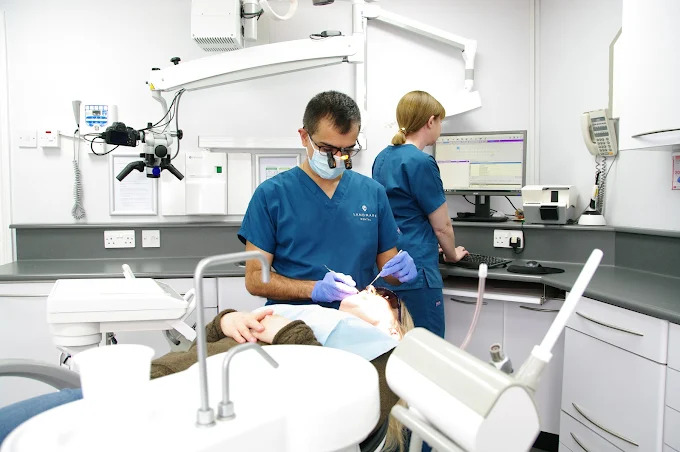
  • Dental microscope for enhanced precision during root canal procedures – helping us locate and treat complex or hidden canals
  • CBCT 3D imaging (cone beam CT scans) to create detailed three-dimensional views of the teeth, bone, and surrounding structures – crucial for both assessing restorability and planning dental implants
  • Digital planning tools to guide implant positioning for the best possible long-term outcome in terms of both function and aesthetics
  • Modern imaging and diagnostics to support faster, safer, and more predictable treatment across the board

This technology allows us to be more accurate, more conservative, and more confident, whether we’re saving a tooth that others have deemed unrestorable or planning an implant that will last for years to come.

When a Dental Implant Is Better Than Root Canal Treatment

Not every tooth can be saved. If a tooth is too broken down, cracked beneath the gum, or has lost too much supporting structure, then extraction followed by a dental implant may be the better long-term solution.

Our prosthodontist is highly experienced in placing and restoring implants for durable, natural-looking results. Using careful planning and modern techniques, we ensure the implant is positioned for optimal function and aesthetics.

The Landmark Dental Difference

What makes our approach different is that we don’t just offer one type of treatment – we offer the full picture. Our team includes:

  • A dentist with a special interest in endodontic (root canal) treatments

  • A prosthodontist experienced in dental implants and complex cases

  • A restorative dentist focused on rebuilding and protecting teeth.

This means we’re not just trying to fit you into one treatment; we take the time to work out what’s genuinely best for you, now and in the future.

Root Canal vs Dental Implant,

While dental implants are an excellent solution when needed, they don’t feel exactly like a natural tooth. A natural tooth has a ligament that provides sensory feedback when chewing – something an implant can’t fully replicate.

That’s why, if we can save your tooth with root canal treatment by an endodontist, we’ll usually recommend doing so. It’s less invasive, preserves natural structure, and keeps future options open.

Unsure What to Do? Come and See Us

If you’ve been told your tooth can’t be saved or you’re searching for a root canal specialist near me or a dental implant clinic near me, it’s worth getting a second opinion.

Patients looking for root canal treatment in Hemel Hempstead or dental implants near me often visit Landmark Dental for expert-led, honest advice. With advanced imaging and all specialists under one roof, we help you make the right decision with confidence.

Book a consultation at Landmark Dental in Hemel Hempstead to find out whether a root canal or dental implant is the best option for you.

FAQs – Root Canal vs Dental Implant

1. How do I know if I need a root canal or a dental implant?

If your tooth can be saved, root canal treatment is usually recommended. If the tooth is cracked below the gum or too damaged, a dental implant may be the better option. A consultation with a root canal specialist near you is the best way to decide.

2. Is it better to save my tooth or get a dental implant?

Saving your natural tooth is generally preferable – it feels natural, preserves bone, and avoids surgery. If you’re searching for a root canal specialist near me, it’s worth consulting before considering extraction.

3. How long does a tooth last after root canal treatment?

With proper care and a quality crown, a tooth treated with root canal treatment near me can last many years, often as long as a healthy natural tooth.

4. How do I find a reliable root canal specialist near me?

Look for a clinic with specialist endodontists, modern imaging (like 3D CBCT scans), and restorative dentists. This ensures your tooth gets expert care from start to finish.

5. Can a tooth that was considered “unsavable” still be saved?

Yes, advanced root canal techniques and careful planning sometimes allow teeth previously deemed unrestorable to be preserved. A second opinion from a specialist team can help.

Relieve Tooth Pain with Advanced Root Canal Therapy

If you’re dealing with persistent tooth pain, it could be more than just a temporary issue — it may be a sign of infection. In many cases, root canal treatment is the most effective way to relieve pain, treat the problem at its source, and save the tooth. Whether you’ve been advised to consider one or you’re simply in pain and unsure what’s going on, it’s worth speaking to an experienced dentist in Hemel Hempstead.

At Landmark Dental, we offer root canal treatment provided by a Dentist with a Special Interest in Endodontics (Endodontist), so you can feel confident you’re receiving skilled, focused care.

What Is Root Canal Treatment?

A root canal is a dental procedure used to remove infected or inflamed tissue from the inside of a tooth. This tissue — called pulp — contains the nerves and blood supply. While it’s vital during tooth development, an adult tooth can function without it once fully matured.

The treatment involves removing the infected pulp, cleaning and disinfecting the inside of the tooth, and then sealing it with a filling or crown. This not only relieves pain but also stops the infection from spreading and prevents the need for extraction.

If you’re considering root canal treatment in Hemel Hempstead, acting early can improve the chances of saving the tooth and avoiding more serious problems later.

Signs You May Need a Root Canal

There are several signs that could indicate infection inside a tooth:

  • Persistent or throbbing toothache
  • Lingering sensitivity to hot or cold
  • Tender or swollen gums near a specific tooth
  • Cracks or chips in the tooth
  • Darkening or discolouration of the tooth
  • Recurring abscesses or small lumps on the gum

If any of these symptoms sound familiar, it’s best to have your tooth assessed. At Landmark Dental, we’ll carry out a thorough examination and imaging to confirm whether root canal treatment is the right option.

Why Choose a Dentist with a Special Interest in Endodontics?

While many general dentists offer root canal therapy, choosing a practitioner with additional training and experience in endodontics can give you extra reassurance — particularly for complex or previously treated teeth.

A Dentist with a Special Interest in Endodontics (Endodontist) can offer:

  • Advanced diagnostic techniques and tools
  • Experience with more difficult or retreatment cases
  • A calm, confident approach to managing discomfort or anxiety
  • More efficient and predictable treatment outcomes

At Landmark Dental, we’re proud to offer root canal care with a focus on precision, comfort, and patient reassurance throughout.

Emergency Root Canal Treatment in Hemel Hempstead

Sometimes a root canal is needed urgently — particularly when an infection flares up suddenly or causes facial swelling. If you’re experiencing:

  • Severe, sudden tooth pain
  • Swelling around the face or jaw
  • A visible abscess or discharge from the gum
  • Fever or general illness linked to dental pain

You may need emergency root canal treatment. While we can’t always guarantee same-day appointments, we will always do our best to see urgent cases as soon as possible.

What Happens During a Root Canal Procedure?

Many patients are surprised by how straightforward and comfortable modern root canal treatment can be — especially when carried out by a dentist with advanced training. Here’s what you can expect:

  • We start with an examination and X-rays to assess the tooth
  • A local anaesthetic is used to ensure comfort
  • The infected pulp is gently removed
  • The inside of the tooth is cleaned and disinfected
  • The canal is filled and sealed
  • A filling or crown is placed to protect the tooth long term

Most people feel significant relief shortly after the procedure, especially if they’ve been in pain leading up to it.

Benefits of Root Canal Treatment

There are many advantages to choosing root canal treatment over extraction:

  • Pain relief and restored function
  • Retention of your natural tooth
  • Avoiding the need for bridges, implants, or dentures
  • Protection from infection spreading
  • Cost-effective compared to replacing a missing tooth

With the right care, a tooth that’s had root canal treatment can last for many years — often just as long as any other tooth.

Choosing Root Canal Treatment in Hemel Hempstead

When searching for a dental practice to carry out root canal therapy, it’s important to choose someone with both the skill and experience to make the process smooth. Look for:

  • A dentist with advanced training in endodontics
  • Positive patient reviews and case experience
  • Modern diagnostic tools and gentle treatment techniques
  • Clear communication and transparent pricing
  • Emergency care options if pain flares up suddenly

At Landmark Dental, we combine clinical skill with a friendly, down-to-earth approach. We take the time to explain every step and ensure you’re comfortable throughout the process.

Don’t Delay — Treat the Infection, Save the Tooth

Tooth infections don’t go away on their own. If you’re dealing with pain, swelling, or signs of an abscess, don’t wait. Root canal treatment could be the solution to save the tooth and restore your comfort.

Get in touch with Landmark Dental in Hemel Hempstead to book a consultation. Our experienced team is here to help — whether it’s a routine root canal or an urgent situation.

Emergency Tooth Pain: When to Seek Urgent Dental Care

An emergency dentist in Hemel Hempstead is essential when tooth pain strikes without warning. A sudden toothache, swelling, or dental injury can occur during work, at night, or just before an important event. When pain is severe, having access to urgent dental care can make all the difference between fast relief and worsening discomfort.

At Landmark Dental, we understand how distressing dental pain can be. While we can’t always guarantee same-day appointments, we’ll always do our best to see patients needing emergency dental care as quickly as possible and provide effective relief.

If you need immediate help, our emergency dentist in Hemel Hempstead offers same-day care for urgent dental problems.

Emergency Tooth Pain and Dental Injuries: When to Get Urgent Help

If you’re experiencing severe tooth pain, swelling, bleeding, or a dental injury, you may need urgent dental treatment. At Landmark Dental, we prioritise urgent cases and aim to offer same-day emergency dental appointments whenever possible to relieve pain and prevent complications.

What Counts as a Dental Emergency?

Not all dental problems require immediate treatment, but some symptoms should never be ignored. Seeking emergency dental care early can prevent infection, tooth loss, and more complex procedures.

  • Persistent or severe toothache
  • Knocked-out or loose teeth
  • Cracked, chipped, or broken teeth causing pain
  • Swelling, abscesses, or signs of infection
  • Bleeding from the gums or mouth
  • Lost fillings or crowns accompanied by pain

Acting quickly can prevent further damage and reduce the need for more complex treatment later, making emergency dental care crucial for long-term oral health.

Common Causes of Emergency Tooth Pain

Toothaches and dental emergencies can develop suddenly or worsen over time. Some of the most common reasons patients seek emergency dental care include:

  • Deep tooth decay or untreated cavities

  • Infected or inflamed tooth nerves

  • Gum infections or abscesses

  • Cracked, fractured, or broken teeth

  • Dental trauma or accidents

  • Impacted wisdom teeth

Early treatment by an emergency dentist can reduce pain and lower the risk of permanent damage.

How We Help with Dental Emergencies

At Landmark Dental, we aim to support patients in pain with calm, efficient, and expert care.

Our first priority is to get you comfortable. Severe tooth pain can interfere with your ability to eat, speak, or sleep. We’ll assess the issue quickly and provide treatment or a temporary solution to ease discomfort. Thanks to modern diagnostic tools like digital X-rays, we can usually identify the root of the problem within minutes.

While we can’t promise same-day availability every time, we always keep time in our schedule for urgent appointments where possible. We welcome both registered and new patients and will do our best to see you as soon as possible for emergency dental care.

In situations where time is critical – such as a knocked-out tooth – getting help from an emergency dentist quickly can make the difference between saving and losing the tooth. The faster you’re treated, the better the outcome.

Why It’s Important Not to Delay

Delaying treatment can make the situation worse. Even if the pain comes and goes, it could indicate a more serious problem beneath the surface. Seeking emergency dental care promptly can:

  • Provide immediate pain relief
  • Prevent infection from spreading
  • Avoid the need for more invasive treatment
  • Help preserve the affected tooth
  • Give you peace of mind

Having access to local emergency dental care in Hemel Hempstead ensures you can get help without unnecessary delay.

What to Expect During Your Appointment

If you’ve never had an emergency dental visit before, here’s what you can expect at Landmark Dental:

  • A discussion about your symptoms and any relevant medical history
  • A clinical exam of the affected area
  • X-rays if needed
  • Immediate treatment or temporary relief
  • A clear plan for follow-up care or permanent treatment

Our goal is to make your visit as smooth as possible while providing expert emergency dental care.

What You Can Do While Waiting

While waiting to be seen by an emergency dentist, there are a few things you can do to ease discomfort:

  • Rinse with warm salt water to reduce bacteria
  • Apply a cold compress to the outside of your cheek if there’s swelling
  • Take over-the-counter pain relief if appropriate
  • Avoid chewing on the affected side
  • Keep any dislodged teeth or fragments in milk or saliva until your visit

These are short-term solutions. Seeing a professional for emergency dental care is essential to prevent further complications.

Choosing the Right Dental Team for Emergency Care

When you’re in pain, it’s important to know you’re in safe hands. At Landmark Dental, we offer:

  • Prompt attention for urgent cases whenever possible
  • A welcoming environment for both regular and new patients
  • Clear communication and treatment options
  • Modern technology for fast diagnosis and treatment
  • Transparent pricing and flexible payment options

We’re proud to be a trusted name for emergency dental care, and as your reliable emergency dentist in Hemel Hempstead, we are committed to helping patients feel better fast.

Final Thoughts

Dental emergencies can happen anytime, and being prepared is essential. Whether you need urgent help from an emergency dentist, are searching for emergency dental care near you, or want peace of mind knowing a skilled team is available, Landmark Dental is here to help.

Prompt action, professional care, and modern technology ensure that your tooth pain is addressed quickly and effectively. For reliable and compassionate emergency dental services, trust Landmark Dental to restore your comfort and protect your oral health.

Need urgent dental help today?

Contact Landmark Dental to arrange an emergency dental appointment as soon as possible.

FAQ Section

Emergency Dental Care FAQs

Can I see an emergency dentist in Hemel Hempstead today?

Availability depends on the day, but we prioritise urgent cases and aim to offer same-day emergency dental appointments whenever possible.

Do you accept new emergency dental patients?

Yes, Landmark Dental welcomes both registered and new patients needing emergency dental care.

What should I do if I have severe tooth pain?

Contact an emergency dentist as soon as possible. Delaying treatment can lead to infection and increased pain.

Is emergency dental care expensive?

Costs depend on the treatment required. We provide transparent pricing and discuss options before proceeding.

Why Our Hygienists Are Different: A Commitment to Excellence in Dental Care

At Landmark Dental, our dental hygienists are more than just providers of routine cleanings; they are dedicated professionals committed to delivering exceptional patient care and promoting long-term oral health.

If you’ve been searching for a dental hygienist near me who truly cares about your comfort and oral health, you’ll find that our team stands out for their expertise, compassion, and commitment to excellence.

Here’s what sets our hygienists apart and makes them an integral part of your dental experience.

1. Personalised Care Approach

Understanding that each patient is unique, our dental hygienists take the time to assess individual needs and develop personalised care plans. They listen to your concerns, preferences, and medical history, ensuring that every treatment is tailored to meet your specific oral health requirements.

2. Advanced Techniques and Technology

Landmark Dental is one of the few practices to utilise state-of-the-art technology, including EMS Guided Biofilm Therapy and EMS Airflow systems, to enhance the effectiveness of our cleanings. Our dental hygienists are trained in these advanced techniques, allowing them to provide thorough and comfortable care that goes beyond traditional methods — a level of expertise you’ll appreciate when looking for a dental hygienist near me in Hemel Hempstead.

3. Focus on Preventive Care

Our dental hygienists emphasize preventive care and education as the foundation of good oral health. They work collaboratively with you to create a preventive plan, helping to identify potential issues before they become serious problems. This proactive approach reduces the need for invasive treatments in the future.

4. Comprehensive Patient Education

Education is a key component of our hygienists’ roles. They take the time to explain procedures, demonstrate proper brushing and flossing techniques, and discuss lifestyle factors that impact oral health. Our dental hygienists empower you with the knowledge and tools needed to maintain a healthy smile at home.

5. Comfort and Compassion

Recognising that many patients experience anxiety about dental visits, our hygienists prioritise comfort and compassion. They create a welcoming and calming environment, ensuring you feel at ease during your appointments. Their gentle approach and attentive care help build trust and confidence — making Landmark Dental a trusted choice when searching for a dental hygienist near me who understands your needs.

6. Collaborative Care Team

Our hygienists work closely with the entire dental team, including dentists and specialists, to provide comprehensive care. This collaboration ensures that all aspects of your oral health are addressed, leading to better outcomes and a more streamlined experience.

7. Patient- centred Philosophy

Our hygienists are dedicated to putting patients first. They strive to understand your needs, preferences and concerns ensuring that your experience is positive and tailored to you. This patient-centred philosophy will be evident in every aspect of your care.

Our hygienists are dedicated professionals who provide more than just cleanings- they offer an comprehensive, compassionate, and personalised approach to dental care.

If you’re ready to experience the difference, schedule your appointment today with Landmark Dental– your trusted choice for a dental hygienist near me in Hemel Hempstead.

What Sets Us Apart from Other Dental Practices?

At Landmark Dental, we pride ourselves on offering a level of care that goes beyond the typical dental practice. As a trusted dentist in Hemel Hempstead, our unique approach integrates multiple dental specialties under one roof, providing patients with comprehensive and coordinated care tailored to their individual needs.

dentist in Hemel

Here’s what makes us stand out from other dental practices and how our multidisciplinary approach benefits you.

Comprehensive Care All in One Place

One of the primary advantages of our practice is the availability of various dental specialists. These include an endodontist, periodontist, prosthodontist, oral surgeon and orthodontist in Hemel. These individuals have undergone extensive training beyond dental school. This enables us to address a wide range of dental issues — from general dentistry in Hemel Hempstead to more complex treatments like root canal treatment in Hertfordshire — without the need for multiple referrals and appointments at different locations.

Seamless Collaboration

Our team of clinicians work closely together to create customised treatment plans that consider all aspects of your oral health. Whether you need a combination of orthodontic treatment and periodontal care or complex restoration involving implants and prosthetics, our integrated approach ensures that every step of your treatment is coordinated and optimised for the best possible outcome — a philosophy that makes us one of the best dentists in Hemel Hempstead.

Advanced Diagnostic and Treatment Technology

We are committed to using the latest technology to deliver precise and effective care. Our practice is equipped with advanced diagnostic tools such as 3D imaging, digital x-rays, dental operating microscope and intraoral scanners, allowing us to diagnose and treat conditions with greater accuracy and efficiency. This technology supports all treatments from emergency dentist services in Hemel Hempstead to cosmetic dentistry in Hemel Hempstead.

Personalised Treatment Plans

Every patient is unique, and so are their dental needs. We take the time to get to know each patient, understand their concerns, and develop personalised treatment plans that align with their goals — whether it’s through Invisalign in Hemel Hempstead, preventive care with our dental hygienist in Hemel Hempstead, or teeth whitening in Hemel Hempstead.

A Holistic Approach to Oral Health

We believe that oral health is a key component of overall well-being. Our multidisciplinary care model allows us to take a holistic approach, considering how various dental issues may impact your overall health and quality of life. This is particularly important in areas such as cosmetic dentistry and general dentistry in Hemel Hempstead, where oral health and aesthetics are closely connected.

Exceptional Patient Experience

We are dedicated to providing an exceptional patient journey from the moment you walk through the doors. Our team is committed to making your visit as comfortable and stress-free as possible — whether you’re visiting for routine care, emergency dental treatment in Hemel Hempstead, or specialist support from our cosmetic dentist in Hertfordshire.

Why choose us?

Led by Amit and Raj, our team of specialists are dedicated to providing you with the highest standard of care through a collaborative, patient-centered approach. We strive to build lasting relationships with our patients based on trust and respect — making Landmark Dental a go-to destination for those seeking the best dentist in Hemel Hempstead.