What is a Prosthodontist and Why Should I See One for My Dental Implant?

What Are Prosthodontists?

Prosthodontists are specialists within dentistry, having carried out 3 to 4 years of additional postgraduate training. Simply put, they replace and restore missing or damaged teeth. They diagnose dental issues and use restorative and cosmetic dentistry techniques to restore or replace teeth — ensuring long-term function and aesthetics.

What is a Dental Implant?

A dental implant is a specialised titanium “screw” that is placed below the gum to support one or more artificial teeth. Implants can support single teeth, bridges, or full sets of teeth — fixed or removable.

At Landmark Dental, we are proud to offer high-quality dental implants in Hemel Hempstead using the latest technologies and techniques. If you’re searching for a cosmetic dentist in Hertfordshire, our clinic provides specialist care to restore your smile with precision.

Is an Implant the Best Solution for My Missing Tooth or Teeth?

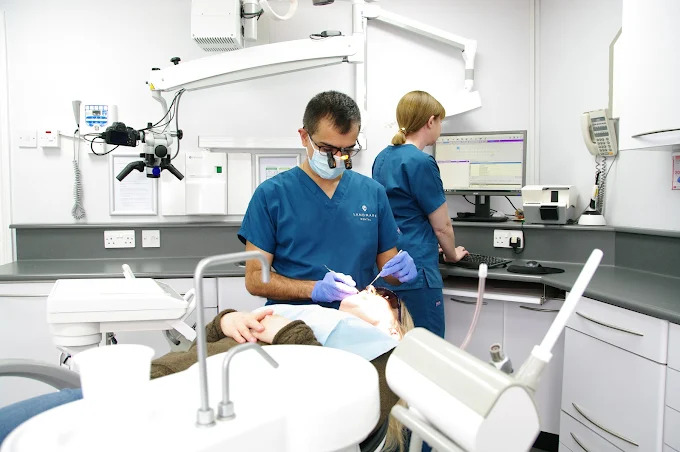
If you’ve lost one or more teeth, a Prosthodontist is ideally qualified to assess and replace them. Our Specialist Prosthodontist, Amit Duggal, uses dental implants, various bridges, dentures, or a combination to restore both function and appearance.

Implants aren’t always the only solution. After a bespoke consultation, we’ll create a tailor-made plan that might include collaboration with other in-house specialists to ensure the best result for you.

Looking for trusted advice on dental implants in Hertfordshire? Our clinic offers specialist care right here in Hemel Hempstead.

How Successful Are Implants?

Dental implants are highly successful, with studies showing success rates lasting 15 to 20 years. Individual results may vary based on bone health, oral hygiene, and lifestyle habits.

Is It Painful to Have an Implant?

The procedure itself is not painful — the area will be fully numbed. Many patients are surprised at how comfortable it feels. Some mild pain or swelling may follow, which is usually managed with standard pain relief such as ibuprofen or paracetamol.

How Do I Know If I Can Have an Implant?

A full oral examination will be performed. If you’re suitable, we will use a CBCT 3D scan to assess your jawbone’s volume and density.

At Landmark Dental, we’ve invested in advanced imaging technology — including intraoral scanners and CBCT — allowing you to receive the entire diagnostic process and treatment planning on-site without the need for external referrals. This is especially useful for patients who struggle with traditional impressions.

Why Should I See a Prosthodontist for My Treatment?

While many general dentists provide implant treatment, a Specialist Prosthodontist offers advanced knowledge in managing complex restorative cases. They’ll present all your options, guide you through the process, and create a personalised treatment plan with clear costs and expectations.

Amit Duggal is a GDC-registered Specialist Prosthodontist with over 20 years of experience. He has placed more than 500 dental implants — from single teeth to full arch solutions like All-on-4 and All-on-6. He also performs bone grafting and other advanced procedures, often under local anaesthetic.

His calm, confident approach has helped hundreds of nervous patients through successful complex treatments, making him one of the best dentists in Hemel Hempstead for implant dentistry.

Ready to Restore Your Smile?

If you’re considering dental implants in Hemel Hempstead or looking for expert advice on dental implants in Hertfordshire, book a consultation today with our Specialist Prosthodontist, Amit Duggal.

What Is the Best Thing for Toothache? Dentist-Approved Treatments Explained

A toothache can make even the simplest daily activities feel difficult. Whether you’re experiencing a dull ache, sharp pain when biting, sensitivity to hot or cold foods, or a constant throbbing sensation, it’s natural to want fast and effective relief. While some people search for the best home remedy for toothache, others may need professional dental treatment to address the cause of the pain.

One of the most common questions patients ask is, “What’s the best thing for a toothache?”

While home remedies and pain relief medication may help reduce discomfort temporarily, they do not treat the underlying cause of most toothaches. In many cases, an emergency dental appointment is the most effective way to diagnose the problem and recommend the appropriate treatment.

The answer depends on what’s causing the pain. While painkillers, saltwater rinses, and other home remedies may help reduce discomfort temporarily, they don’t address the underlying cause. In many cases, toothache is linked to tooth decay, infection, a cracked tooth, gum disease, or wisdom tooth complications that require professional assessment and treatment.

For patients in pain, understanding the cause of the toothache is often the quickest route to lasting relief. The sooner the problem is diagnosed, the more treatment options are usually available.

In this guide, our dentists explain the best treatments for toothache, what actually works, and when it’s time to seek professional dental care.

Quick Answer: What Is the Best Thing for Toothache?

The best thing for a toothache depends on the cause of the pain.

If the discomfort is caused by mild irritation, temporary remedies such as pain relief medication, cold compresses, or saltwater rinses may help.

However, if your toothache is caused by:

  • Tooth decay
  • A dental infection
  • An abscess
  • A cracked or broken tooth
  • Gum disease
  • Wisdom tooth problems

Many people focus on finding the strongest pain relief for toothache, but lasting relief usually comes from identifying and treating the underlying problem. While temporary measures may reduce discomfort for a few hours, conditions such as dental infections, advanced decay, or cracked teeth typically require professional dental treatment to prevent symptoms from returning.

Best Toothache Treatments Compared

Different toothache treatments serve different purposes. Some help manage symptoms, while others solve the underlying issue.

Treatment

Helps Reduce Pain

Addresses the Cause

Pain Relief Medication Yes No
Saltwater Rinse Yes No/td>
Cold Compress Yes No
Clove Oil Sometimes No
Temporary Filling Material Sometimes No
Dental Filling Yes Yes
Root Canal Treatment Yes Yes
Tooth Extraction Yes Yes
Emergency Dental Treatment Yes Yes

As you can see, many home remedies only provide temporary relief. Long-term results usually require professional diagnosis and treatment.

Best Pain Relief for Toothache: Treatments Ranked by Dentists

1. Professional Dental Treatment

If you’re looking for the most effective solution, professional dental treatment is usually the best option. While home remedies may provide short-term comfort, they cannot remove decay, treat infection, repair structural damage, or resolve many of the conditions that cause ongoing tooth pain.

A dental examination allows the underlying cause to be identified quickly so that the most appropriate treatment can be recommended. In many cases, addressing the problem early can help prevent more extensive treatment later.

Unlike temporary remedies, dental treatment focuses on identifying and treating the actual cause of the pain.

Depending on your diagnosis, treatment may involve:

  • A filling
  • Root canal treatment
  • Treatment for infection
  • Repair of a damaged tooth
  • Tooth extraction when necessary

For patients experiencing ongoing or worsening pain, professional treatment often provides the fastest route to lasting relief.

2. Root Canal Treatment

Root canal treatment is commonly recommended when infection or inflammation reaches the inner pulp of the tooth.

Many patients assume a root canal is something to avoid, but it is often one of the most effective ways to save a natural tooth while eliminating the source of severe pain.

Root canal treatment may be recommended if you experience:

  • Persistent toothache
  • Severe sensitivity to hot or cold
  • Pain when biting
  • Signs of infection

By removing infected tissue and sealing the tooth, this treatment can provide long-term relief and preserve your natural smile. Learn more about our root canal treatment options and when they may be recommended.

3. Dental Fillings

If a toothache is caused by decay, a dental filling may be all that’s needed to stop the pain and restore the tooth.

Treating cavities early often prevents further damage and reduces the likelihood of needing more complex treatment later.

4. Pain Relief Medication

For many people, pain relief medication is the first thing they reach for when a toothache develops.

Pain relief medication may help:

  • Reduce discomfort
  • Ease inflammation
  • Make it easier to eat or sleep

However, it’s important to remember that painkillers only manage symptoms. Once the medication wears off, the pain often returns if the underlying issue remains untreated.

5. Cold Compress

Applying a cold compress to the outside of the cheek may help reduce swelling and temporarily numb painful areas.

This can be particularly useful if your toothache is accompanied by:

  • Facial swelling
  • Jaw discomfort
  • Wisdom tooth pain
  • Dental trauma

Apply for approximately 15 to 20 minutes at a time, allowing breaks between applications.

6. Saltwater Rinse

A warm saltwater rinse is one of the simplest home remedies for toothache.

It may help:

  • Reduce bacteria
  • Soothe irritated gums
  • Remove trapped food particles
  • Support healing

While a saltwater rinse may provide temporary comfort, it should not be considered a substitute for professional treatment.

Looking for Fast Relief From a Toothache?

Patients often search online for the strongest pain relief for a toothache when what they really need is a diagnosis of the underlying problem.

If your toothache is affecting your sleep, making it difficult to eat, or causing swelling around the tooth or jaw, it’s important not to rely solely on temporary pain relief measures.

A prompt dental assessment can identify whether the pain is being caused by tooth decay, infection, a cracked tooth, gum disease, or another issue requiring treatment. If you’re experiencing severe pain, swelling, or signs of infection, our emergency dentist service can help provide prompt assessment and treatment.

What Is the Strongest Pain Relief for Toothache?

Many people search for the strongest pain relief for a toothache when the discomfort becomes difficult to manage. However, the severity of tooth pain doesn’t always reflect the seriousness of the underlying condition.

For example, a dental abscess, deep cavity, or cracked tooth may continue to worsen even if medication temporarily reduces symptoms. That’s why dentists focus on treating the source of the pain rather than simply masking it.

The reality is that the strongest relief often doesn’t come from medication – it comes from treating the cause of the problem.

Pain relief medication may temporarily reduce symptoms, but it cannot:

  • Remove decay
  • Eliminate infection
  • Repair a cracked tooth
  • Treat an abscess

If your pain repeatedly returns after taking pain relief medication, it’s often a sign that professional treatment is needed.

Why Does Toothache Keep Coming Back?

One of the most frustrating things about a toothache is that it sometimes seems to improve, only to return later. Temporary improvements can create the impression that the problem has resolved, when in reality the underlying condition may still be progressing.

This is particularly common with dental infections, tooth decay, cracked teeth, and gum disease, all of which can fluctuate in symptoms before becoming more severe.

If you’re experiencing unbearable tooth pain, temporary relief measures may help for a short time, but recurring symptoms often indicate an underlying dental issue that requires professional assessment.

This often happens because the underlying problem hasn’t been treated.

Common examples include:

Tooth Decay

A cavity may cause intermittent pain before becoming more severe as it progresses deeper into the tooth.

Dental Infection

Infections often worsen over time, even if pain temporarily improves.

Cracked Teeth

Small cracks can become larger and more painful if left untreated.

Gum Disease

Inflammation and infection around the gums can continue to develop if not professionally managed.

If your toothache keeps returning, it’s important to arrange a dental examination rather than relying solely on temporary pain relief.

What Treatment Do You Actually Need?

The best treatment often depends on the symptoms you’re experiencing.

Sharp Pain When Biting

This may indicate:

  • A cracked tooth
  • A damaged filling
  • Tooth decay

Treatment may involve a filling, crown, or other restorative procedure.

Throbbing Toothache

Persistent throbbing pain may be caused by:

  • Infection
  • Nerve inflammation
  • A dental abscess

Professional treatment is usually required to resolve the problem.

Swelling Around the Tooth or Jaw

Swelling can indicate infection and should never be ignored.

Prompt assessment is important to prevent complications and determine the most appropriate treatment.

Wisdom Tooth Pain

Wisdom teeth can become painful when they are impacted, partially erupted, or infected.

Treatment may involve cleaning the area, managing infection, or removing the tooth if necessary. In some cases, a tooth extraction may be recommended to prevent recurring problems.

What Happens During a Toothache Appointment?

Many patients delay treatment because they aren’t sure what to expect or worry that the problem may require complex treatment. In reality, the first step is simply identifying the cause of the pain so that the most appropriate treatment options can be discussed.

At Landmark Dental, your appointment typically includes:

A Thorough Examination

We’ll carefully assess your symptoms and examine the affected area.

Digital X-Rays (If Needed)

X-rays help us identify problems that may not be visible during a routine examination.

Diagnosis

We’ll explain what’s causing the pain and discuss your treatment options.

Treatment Planning

Where appropriate, we may provide treatment on the same day or arrange the next steps to address the problem as quickly as possible.

Our goal is to help patients feel informed, comfortable, and confident about their care.

When Should You See a Dentist for a Toothache?

While some mild tooth discomfort may settle temporarily, certain symptoms should never be ignored.

You should arrange a dental appointment if:

  • Pain lasts longer than 48 hours
  • Pain keeps returning
  • You have swelling around the face or jaw
  • You notice pus around the gums
  • The pain wakes you up at night
  • You have a broken or damaged tooth
  • Hot or cold sensitivity lingers

Early treatment often means simpler treatment, faster relief, and a reduced risk of complications. If symptoms are worsening or repeatedly returning, arranging a dental examination sooner rather than later can help prevent the problem from becoming more difficult to treat.

Looking for Professional Toothache Treatment in Hemel Hempstead?

If you’re experiencing persistent tooth pain, swelling, sensitivity, or discomfort when eating, a dental assessment can help identify the cause and determine whether treatment such as a filling, root canal treatment, infection management, or tooth extraction may be required.

Our team regularly helps patients with toothache caused by decay, infection, damaged teeth, wisdom tooth problems, and other urgent dental concerns. The goal is not only to relieve pain, but also to prevent the issue from progressing further.

Our team regularly helps patients with:

  • Toothache
  • Dental infections
  • Dental abscesses
  • Broken teeth
  • Cracked teeth
  • Lost fillings
  • Wisdom tooth pain
  • Emergency dental concerns

By identifying the cause of your pain and recommending the most appropriate treatment, we aim to help you achieve lasting relief rather than temporary symptom management.

Why Patients Choose Landmark Dental

Patients choose Landmark Dental because we provide the following:

  • Emergency dental appointments
  • Comprehensive treatment options
  • Experienced dental professionals
  • Modern diagnostic technology
  • Personalised treatment plans
  • A welcoming environment for new patients

Whether you’re dealing with a sudden toothache or a problem that’s been bothering you for some time, our team is here to help.

Same-Day Emergency Appointments Available for New Patients

A severe toothache can develop unexpectedly and often requires prompt attention.

If you’re experiencing:

  • Severe pain
  • Swelling
  • A dental abscess
  • A broken tooth
  • Sudden dental discomfort

Early treatment can help prevent complications and provide faster relief.

Don’t Let Toothache Take Over Your Life

Toothache can affect your sleep, concentration, work, and quality of life.

While temporary remedies may help manage symptoms, lasting relief usually comes from identifying and treating the underlying cause.

If you’re experiencing persistent tooth pain, Landmark Dental is currently welcoming new patients and can help you find the most appropriate solution for your needs.

Book an appointment today and take the first step towards lasting relief and better oral health.

Frequently Asked Questions

Can a toothache go away without treatment?

In some cases, toothache symptoms may improve temporarily, but this does not necessarily mean the underlying problem has resolved. Conditions such as tooth decay, infection, gum disease, and cracked teeth often continue to progress even when pain decreases. If symptoms persist or repeatedly return, a dental examination is recommended.

What is the best thing for a toothache?

The best treatment depends on the cause of the pain. While pain relief medication and home remedies may help temporarily, professional dental treatment is often the most effective long-term solution.

What is the best pain relief for a toothache?

Pain relief medication, cold compresses, and saltwater rinses may help reduce discomfort temporarily. However, lasting relief requires treatment of the underlying issue.

What is the strongest pain relief for a toothache?

The strongest relief usually comes from treating the cause of the pain rather than simply masking symptoms with medication.

Can a dentist stop a toothache immediately?

In many cases, a dentist can provide significant relief by diagnosing the problem and recommending appropriate treatment.

Why does my toothache keep coming back?

Recurring toothache often indicates an unresolved issue such as decay, infection, a cracked tooth, or gum disease.

When is a toothache considered an emergency?

Severe pain, swelling, infection, fever, difficulty swallowing, or dental trauma may require urgent dental attention.

Should I see a dentist even if the pain has stopped?

Yes. Tooth pain can sometimes disappear temporarily while the underlying problem continues to develop. A dental examination can help identify and address the cause before it becomes more serious.

Teeth in a Day Implant Solution: A Comprehensive Guide

Imagine walking into a dental practice with missing or damaged teeth and leaving the same day with a brand-new smile. Thanks to modern advancements in dental technology this is now possible with the ‘Teeth in a Day’ implant solution. Landmark Dental are one of the few dental practices to offer this revolutionary procedure presenting patients with a quick, effective and reliable way to restore their smiles in just a single visit. But how does it work and is it the right choice for you?

Let’s explore everything you need to know about this cutting-edge dental procedure.

What is Teeth in a Day?

Teeth in a Day, also known as same day dental implants or immediate load implants is a procedure that allows patients to receive fully functional teeth on the same day that dental implants are placed.

Unlike traditional dental implants, which may require multiple visits and several months of healing time, Teeth in a Day offers a faster and more convenient solution.

How Does It Work?

The process of Teeth in a Day involves several key stages:

1. Initial Consultation and Planning: Your journey begins with a comprehensive dental exam and consultation. The dentist will evaluate your oral health, take digital scans and X-rays, and create a detailed treatment plan.

2. 3D Imaging and Treatment Planning: Using advanced 3D imaging technology, the dentist can visualise your jawbone structure, determine the optimal placement for implants, and design a custom treatment plan tailored to your individual needs.

3. Implant Placement: On the day of the procedure, the dentist will place the dental implants into your jawbone. These implants act as artificial tooth roots and provide a stable foundation for the replacement teeth.

4. Temporary Teeth Placement: A set of temporary teeth will be attached to the implants immediately after placement. These temporary teeth look and function like natural teeth, allowing you to speak and smile with confidence.

5. Healing and Final Restoration: Over the next few months, the implants will fuse to the jawbone in a process called osseointegration. Once fully healed, your temporary teeth will be replaced with a permanent set of custom-made prosthetic teeth.

Benefits of Teeth in a Day

• Immediate Results – Enjoy a complete smile in just one day without waiting for months
• Fewer Appointments – This saves you time and hassle as well as costs compared to traditional techniques
Enhanced Confidence – Walk out of the dental practice with a beautiful smile that boosts your self-esteem.
Functional Teeth – The temporary teeth are functional, so you can eat and speak normally while your implants heal.

Why Landmark Dental?

We have a unique multidisciplinary approach enabling us to provide patients with comprehensive and coordinated care tailored to their individual needs
Your treatment would be overseen by Amit, our specialist prosthodontist who has over 20 years of experience under his belt who has completed multiple cases with exceptional success rates. Why not give us a call.

How Long Does Teeth Whitening Take? Timeline, Results+ Before & After (2026)

Most people begin to notice brighter teeth within 2–3 days of starting professional dentist-supervised whitening. For most patients, full whitening results are achieved within 10–14 days, although the exact timeline depends on your natural tooth colour, the type of staining, and how consistently you follow your treatment plan.

Professional teeth whitening uses dentist-prescribed whitening gel and custom-made trays to safely lift stains from the enamel, providing more predictable and longer-lasting results than many over-the-counter whitening products.

At Landmark Dental in Hemel Hempstead, we provide boutique home whitening with personalised treatment plans, custom-made trays, and ongoing dentist supervision to help you achieve a brighter, natural-looking smile safely and comfortably.

Whether you want a brighter smile for a special occasion or simply want to refresh your appearance, our cosmetic dental team can help.

Looking for Professional Teeth Whitening in Hemel Hempstead?

If you’re searching for how long teeth whitening takes, you’re probably also looking for a treatment that delivers fast, safe and long-lasting results.

At Landmark Dental, we provide Boutique Home Whitening, a professionally supervised whitening treatment designed to help most patients achieve noticeable whitening within 2–3 days, with full results typically seen after 10–14 days.

Your treatment includes:

  • Comprehensive whitening consultation
  • Custom-made whitening trays
  • Boutique professional whitening gel
  • Ongoing dentist supervision
  • Personalised aftercare advice

Why choose professional whitening instead of shop-bought products?

  • Faster, more predictable results
  • Even whitening across all teeth
  • Reduced risk of gum irritation
  • Custom trays designed specifically for your smile
  • Professional guidance throughout treatment

Boutique Home Whitening – £399 (Usually £450)

Book your consultation today to find out if professional teeth whitening is right for you.

Can New Patients Book Teeth Whitening?

Yes. Landmark Dental welcomes new patients who are interested in professional teeth whitening, even if they’ve never visited the practice before.

Your first appointment includes a comprehensive assessment to ensure your teeth and gums are suitable for whitening, followed by personalised advice on the most appropriate treatment for your smile.

If you are looking for:

  • a cosmetic dentist accepting new patients
  • cosmetic teeth whitening in Hemel Hempstead
  • Boutique Whitening in Hemel Hempstead
  • a safe dentist-supervised whitening option

Our dental team can assess your smile, discuss whitening options, and create a personalised treatment plan designed around your goals.

Your consultation includes:

  • assessment of tooth shade and staining
  • suitability check for whitening
  • discussion of expected results
  • advice on whitening sensitivity and maintenance
  • personalised treatment recommendations

No two smiles whiten at exactly the same speed. While many patients notice visible improvement within a few days, several factors influence how quickly professional whitening works.

Your whitening timeline depends on:

your natural tooth shade
the type and depth of staining
whether stains are internal or surface-level
the whitening system prescribed
how consistently you wear your whitening trays
your daily eating and drinking habits during treatment

Professional whitening treatments, including our professional teeth whitening in Hemel Hempstead, use dentist-approved whitening gels, custom-made trays, and carefully controlled application.

In this guide, we explain how quickly teeth whitening works, what results to expect, how long whitening lasts, and the best ways to maintain a brighter smile for longer.

How Long Does Teeth Whitening Take to Work?

Most professional teeth whitening treatments take around 10–14 days for full results, although many patients notice visible whitening within just a few days. The exact timeline depends on the type of teeth whitening treatment being used and the degree of staining present.

Professional dentist-supervised whitening generally produces faster and more predictable results than whitening toothpastes, whitening strips, or LED kits because the whitening gel is customised to your teeth and monitored by your dentist throughout treatment.

Most patients begin to notice gradual improvements as the whitening gel lifts stains from the enamel over the course of treatment.

For most professional whitening treatments:

  • Early improvement: 2–3 days
  • Visible whitening: within a few days
  • Full results: around 10–14 days

Results vary depending on staining severity, tooth colour, and treatment consistency, but professionally supervised whitening usually produces faster and more predictable results than shop-bought whitening products.

Whitening speed can vary depending on:

  • how stained your teeth are
  • whether stains are surface-level or deeper in the enamel
  • your natural tooth colour
  • the whitening system used
  • how consistently you wear your whitening trays

Day-by-Day Teeth-Whitening Timeline

Here’s what most patients can expect during professional whitening treatment:

Days 1–3: Early Brightening

During the first few days, subtle brightness becomes noticeable as surface stains begin lifting from the enamel. Teeth may look fresher and slightly cleaner in tone.

Days 4–7: Noticeable Whitening

By the end of the first week, most patients see a clear visible improvement. Yellow or brown staining begins to fade, and friends or family may start noticing the difference.

Days 8–14: Full Whitening Results

By week two, most patients reach their final shade, often seeing 4–10+ shades of improvement, depending on their starting colour and stain severity.

Ready to Start Whitening?

If you’re hoping to achieve a brighter smile for a holiday, wedding or special event, now is the ideal time to begin treatment.

At Landmark Dental, most Boutique Whitening patients notice visible improvement within a few days, with full whitening commonly achieved after around two weeks.

  • New patients welcome
  • Boutique Home Whitening – £399
  • Custom-made whitening trays included
  • Dentist-supervised treatment

Can Teeth Whiten Faster Than 10 Days?

Some patients with mild surface staining notice significant improvement in less than a week, while others with deeper staining from smoking, coffee, tea, or natural ageing may need the full treatment period to reach their desired shade.

The goal isn’t simply to whiten teeth quickly but to achieve an even, natural-looking result while protecting your enamel and minimising sensitivity.

Teeth Whitening Before and After: What Results Can You Expect?

Professional teeth whitening can produce noticeable before-and-after improvements, especially for patients with staining caused by coffee, tea, smoking, red wine, or natural ageing.

Many patients notice:

  • visibly whiter teeth
  • reduced yellow staining
  • brighter and more even tooth colour
  • a fresher-looking smile
  • improved smile confidence

Results vary depending on the starting tooth shade and the depth of staining.

What Affects Your Whitening Results?

Although professional whitening is highly effective, the final result varies from person to person.

Factors that influence your outcome include:

  • your starting tooth colour
  • the cause of staining
  • the thickness of your enamel
  • existing fillings or crowns
  • smoking or vaping
  • coffee, tea, and red wine consumption
  • how closely you follow your whitening instructions

Patients with lighter staining often see faster improvements than those with long-standing internal staining, but most people notice a visibly brighter smile after completing their treatment.

Who Is Professional Teeth Whitening Best For?

Professional whitening may be suitable if you:

  • Have staining caused by coffee, tea or red wine
  • Smoke or vape
  • Want a brighter smile before a wedding or holiday
  • Have healthy teeth and gums
  • Prefer a safe, dentist-supervised treatment
  • Want longer-lasting results than many over-the-counter products

A consultation allows us to assess your teeth, discuss your goals and recommend the most suitable whitening option for your smile.

Does Teeth Whitening Work on All Teeth?

Whether you are considering cosmetic teeth whitening for a special occasion or simply want a brighter smile, understanding the limitations of whitening treatment helps create realistic expectations.

Professional teeth whitening works only on natural tooth enamel.

It does not change the colour of:

  • fillings
  • crowns
  • veneers
  • bridges
  • dentures

If you have visible dental restorations, your dentist may recommend whitening your natural teeth first, then replacing older restorations afterwards so everything matches your brighter smile.

A consultation can help determine the best cosmetic approach for even-looking results.

How Does Professional Teeth Whitening Work?

Professional teeth whitening uses clinically approved whitening ingredients such as hydrogen peroxide or carbamide peroxide.

These whitening agents work by:

  • penetrating the enamel surface
  • breaking down stain molecules
  • lifting deeper discolouration from within the tooth structure

Unlike shop-bought whitening products, professional systems use custom-made trays, which:

  • improve gel contact with the teeth
  • create more even whitening
  • reduce gum irritation
  • improve comfort during treatment

This makes professional whitening safer, more predictable, and more effective for achieving noticeable results.

How Long Do Teeth Whitening Trays Take to Work?

Most patients using professional whitening trays notice early improvement within 2–3 days, with full whitening commonly achieved after 10–14 days of consistent use.

Custom-made whitening trays help:

  • improve gel contact with the teeth
  • create more even whitening
  • reduce gum irritation
  • improve comfort during treatment

Boutique Whitening trays are designed specifically for your smile, helping produce predictable and natural-looking results.

How Long Does Teeth Whitening Last?

Professional teeth whitening isn’t permanent, but with good oral hygiene and regular maintenance, the results can last anywhere from 6 months to 2 years. The exact duration varies from person to person and depends on lifestyle, diet, and how well you care for your teeth after treatment.

Patients who follow their dentist’s advice, attend routine dental check-ups, and use whitening top-up gels when recommended often enjoy brighter smiles for much longer than those who don’t maintain their results.

Unlike many over-the-counter whitening products, professional whitening uses stronger, clinically approved whitening gels and custom-made trays, helping to produce results that are both more noticeable and longer lasting.

Is Professional Teeth Whitening Worth It?

Many patients choose professional teeth whitening because it offers:

  • Faster results than many over-the-counter products
  • Custom-made trays for more even whitening
  • Treatment tailored to your smile
  • Ongoing support from an experienced dental team
  • Longer-lasting results with simple maintenance

For patients looking for a brighter smile with predictable results, professionally supervised whitening is often the most effective option.

What Can Make Teeth Whitening Fade More Quickly?

Whitening results gradually fade because new stains naturally build up on the surface of your teeth over time.

Common factors that can shorten the lifespan of whitenings include the following:

  • Frequent coffee or tea consumption
  • Red wine
  • Smoking or vaping
  • Poor oral hygiene
  • Skipping regular hygiene appointments
  • Not using whitening top-up treatments when recommended

These habits don’t undo your whitening overnight, but they can cause teeth to lose brightness more quickly.

How Can You Keep Your Teeth Whiter for Longer?

Although no whitening treatment lasts forever, simple habits can help maintain your results for much longer.

To prolong your brighter smile:

  • Brush twice daily with fluoride toothpaste.
  • Clean between your teeth every day.
  • Rinse your mouth after consuming staining foods or drinks.
  • Visit your dental hygienist regularly.
  • Attend routine dental check-ups.
  • Use professional whitening top-up gel when advised by your dentist.

Many patients find that occasional top-up treatments help maintain a consistent tooth shade without needing to repeat the full whitening process.

Patients who use occasional whitening top-ups and maintain good oral hygiene often keep their results significantly longer.

Factors that can affect how long whitening lasts include:

  • frequent coffee, tea, or red wine consumption
  • smoking or vaping
  • poor oral hygiene
  • skipping hygiene appointments
  • lack of whitening maintenance

How to Get Faster Teeth-Whitening Results

If you want the best and fastest whitening results, consistency matters more than shortcuts.

Here are the most effective ways to improve your outcome:

Follow your treatment plan closely

Wear your whitening trays exactly as recommended. Missing days often slows progress and leads to uneven whitening.

Avoid stain-causing foods and drinks

During whitening, limit:

  • coffee
  • tea
  • red wine
  • curry
  • cola
  • tobacco products

Keep your teeth clean

Brushing, flossing, and maintaining good oral hygiene help whitening gel work more evenly across the tooth surface.

Use dentist-approved whitening systems

Professional whitening gels are designed for safe, predictable results. Avoid unregulated whitening products, which may cause sensitivity or damage.

Professional Boutique Whitening at Landmark Dental

At Landmark Dental, we offer boutique home whitening — a dentist-supervised system designed to deliver safe, predictable, and long-lasting whitening results from the comfort of your home.

Boutique Whitening is designed for patients who want professional results without the need for repeated in-practice whitening sessions. Because your trays are custom-made for your teeth, the whitening gel stays in close contact with the enamel, helping to produce more even results while improving comfort throughout treatment.

Your dentist will also monitor your progress, answer any questions, and advise if adjustments are needed, giving you greater confidence throughout the whitening process.

Your treatment includes:

  • personalised whitening consultation
  • custom-made whitening trays
  • professional Boutique whitening gel
  • day and night whitening options
  • ongoing support from our dental team

Boutique Whitening is popular with patients looking for convenient at-home whitening with professional supervision.

How Long Does Boutique Whitening Take to Work?

Most patients notice:

  • early improvement within 2–3 days
  • visible whitening within a few days
  • full results around 10–14 days

Why patients like Boutique Whitening:

  • custom-fit trays for precise whitening
  • day and night treatment options
  • High water content helps keep teeth hydrated throughout treatment, improving comfort while whitening.
  • Integrated potassium nitrate helps reduce sensitivity during whitening.
  • consistent, natural-looking results

For patients looking for safe, predictable, and effective at-home whitening, Boutique Whitening is one of the leading dentist-prescribed options.

How Much Does Professional Teeth Whitening Cost in Hemel Hempstead?

The cost of professional teeth whitening treatment varies depending on the whitening system used and the level of dentist supervision provided. At Landmark Dental, professional boutique home whitening is currently available for £399 (usually £450), including:

The £399 treatment includes:

  • Personal consultation
  • Custom-made whitening trays
  • Boutique Whitening gel
  • Dentist supervision
  • Personalised aftercare

Top-up whitening syringes: £45 (appointment required)

Why Choose Landmark Dental for Teeth Whitening?

Choosing the right dentist for teeth whitening is about more than simply getting whiter teeth – it’s about choosing a team that offers safe treatment, personalised care, and predictable, long-lasting results.

At Landmark Dental, your whitening treatment is overseen by Dr Amit Duggal, who qualified from St Bartholomew’s and The Royal London Hospital in 2001 and has over 19 years of clinical experience, with a special interest in cosmetic dentistry, patient education, and helping anxious patients feel comfortable throughout treatment.

Patients choose Landmark Dental because we offer:

  • Boutique Home Whitening
  • Experienced cosmetic dentists
  • Dr Amit Duggal with over 19 years’ clinical experience
  • Custom-made whitening trays
  • Whitening gels designed for fast visible improvement
  • Formulations created to help reduce sensitivity
  • Transparent pricing with no hidden fees
  • Personalised treatment plans
  • Ongoing support throughout treatment
  • Welcoming care for nervous patients
  • New patients accepted

With professional supervision and a whitening plan tailored to your smile, you can whiten your teeth safely, comfortably, and confidently.

Is Teeth Whitening Safe?

Yes – professional teeth whitening is considered safe when carried out under dental supervision.

Professional whitening begins with a dental assessment to ensure your teeth and gums are healthy enough for treatment. If tooth decay, leaking fillings, or active gum disease are present, these issues are usually treated first to help ensure whitening is both safe and effective.

This not only reassures readers but also reinforces the importance of a dental examination before cosmetic treatment.

Clinical evidence shows that correctly used whitening systems do not damage healthy enamel or weaken the structure of your teeth.

What you may experience:

  • mild temporary tooth sensitivity
  • occasional gum irritation if trays are not fitted properly
  • short-term sensitivity to cold foods or drinks

These effects are usually mild and settle quickly.

A dental check-up before whitening helps ensure your teeth and gums are suitable for treatment.

Is There Any Recovery Time After Teeth Whitening?

Most patients can return to normal activities immediately after professional teeth whitening.

Some patients experience mild temporary sensitivity for 24–48 hours, especially when drinking cold beverages.

Boutique Whitening contains ingredients designed to help reduce sensitivity and keep teeth hydrated throughout treatment.

If sensitivity occurs, it is usually mild and settles quickly.

How to Maintain Your Teeth Whitening Results

After whitening, simple habits can help your results last significantly longer.

Best ways to maintain whiter teeth:

  • brush twice daily with fluoride toothpaste
  • floss daily
  • limit coffee, tea, red wine, and fizzy drinks
  • rinse your mouth after staining foods
  • avoid smoking and tobacco use
  • attend regular dental hygiene appointments
  • use whitening top-up trays when recommended by your dentist

Small maintenance habits make a big difference in keeping your smile brighter for longer.

Who Is Teeth Whitening Suitable For?

Cosmetic teeth whitening is one of the most popular non-invasive dental treatments for patients looking to improve the appearance of their smile without changing the structure of their teeth.

Professional teeth whitening is suitable for many adults who want to improve the appearance of their smile.

You may be a good candidate if you:

  • have healthy teeth and gums
  • have staining caused by coffee, tea, red wine, smoking, or natural ageing
  • want a brighter, more confident smile
  • are looking for a safe, dentist-supervised whitening option
  • want noticeable results from the comfort of home

A professional consultation is recommended before whitening to ensure your teeth and gums are suitable for treatment and to help you choose the most effective whitening plan.

Ready to Brighten Your Smile?

If you’re considering professional teeth whitening, our team can assess your smile, explain the treatment process and help you achieve natural-looking results safely.

Your boutique whitening treatment includes the following:

  • Personal consultation
  • Custom-made whitening trays
  • Professional whitening gel
  • Dentist supervision
  • Aftercare advice

Boutique Home Whitening – £399

Call 01442 269 826 or book your consultation online.

Frequently Asked Questions About Teeth Whitening

How long does teeth whitening take at the dentist?

Most professional teeth whitening treatments take around 10–14 days for full results, although many patients notice visible improvement within just 2–3 days.

The exact timeline depends on:

  • your starting tooth shade
  • the type of staining present
  • the whitening system used
  • how consistently treatment is followed

Dentist-supervised whitening usually provides faster and more predictable results than shop-bought whitening products.

How long does Boutique Whitening take to work?

Many patients using Boutique Whitening notice early improvement within 2–3 days, with more noticeable whitening developing over the first week.

Full results are commonly achieved within 10–14 days when whitening trays are worn consistently as advised by your dentist.

How long does teeth whitening take?

Most patients notice brighter teeth within 2–3 days, with full results usually achieved after 10–14 days using professional dentist-supervised whitening. The exact timeline depends on your natural tooth shade, the type of staining, and how consistently you follow your whitening treatment.

How long do whitening trays take to work?

Professional whitening trays often begin showing visible improvement within a few days, with full whitening results typically achieved after 10–14 days of regular use.

Custom-made trays help improve gel contact with the teeth, creating more even and predictable whitening results.

Can new patients book teeth whitening?

Yes, Landmark Dental welcomes new patients for professional teeth whitening consultations in Hemel Hempstead.

During your consultation, the dental team will:

  • assess your teeth and gums
  • discuss whitening suitability
  • explain expected results
  • recommend the most suitable whitening option for your smile

Is there recovery time after teeth whitening?

Most patients can return to normal activities immediately after professional teeth whitening.

Some patients experience mild temporary sensitivity for 24–48 hours, particularly when drinking cold beverages, but this usually settles quickly.

Boutique Whitening includes ingredients designed to help reduce sensitivity and improve comfort during treatment.

What is the best tooth whitener?

The most effective tooth whitener is usually a professionally prescribed whitening system provided under dental supervision. Professional whitening treatments use stronger, clinically approved whitening agents and custom trays that produce more predictable results than many over-the-counter products.

Is professional teeth whitening better than whitening strips?

Professional teeth whitening is generally more effective than whitening strips because it uses dentist-prescribed whitening gel, custom-made trays and personalised treatment planning. This helps achieve more even, predictable and longer-lasting results.

Can I have teeth whitening if I’m a new patient?

Yes. Landmark Dental welcomes new patients for professional teeth whitening consultations. Your dentist will first assess your teeth and gums to ensure whitening is suitable before creating a personalised treatment plan.

How much does professional teeth whitening cost?

Professional boutique home whitening at Landmark Dental costs £399 and includes your consultation, custom-made trays, professional whitening gel and dentist supervision throughout treatment.

Ready to Achieve a Brighter Smile?

Professional teeth whitening is one of the quickest and most effective ways to improve your smile. With Boutique Home Whitening at Landmark Dental, many patients notice brighter teeth within 2–3 days, with full results typically achieved after 10–14 days.

Why choose Boutique Home Whitening?

  • Visible results in as little as 2–3 days*
  • Custom treatment tailored to your smile
  • Dentist-supervised from start to finish
  • £399 including consultation, trays and whitening gel

Boutique Home Whitening – £399 (Usually £450)

Whether you’re preparing for a wedding, holiday, or special occasion or simply want to refresh your smile, our experienced dental team is here to help.

Book your professional teeth whitening consultation today and discover how quickly you could achieve a brighter, more confident smile.

Call 01442 269 826 or book online to get started.

How Much Does a Private Dentist Cost in the UK? (2026 Price Guide)

One of the first questions patients ask before booking an appointment is, ‘How much does a private dentist cost?’

Private dental treatment offers shorter waiting times, flexible appointment availability, modern technology, and a wider range of cosmetic and restorative treatments compared to standard NHS care.

However, costs can vary depending on the following:

  • The type of treatment
  • Your location in the UK
  • The dentist’s experience
  • The complexity of the procedure
  • Whether specialist treatment is required

Many people searching for private dental prices, private dentist fees, or the cost of a private dental check-up are simply trying to understand what to expect before booking their first appointment. While treatment costs vary between practices, having a clear guide can help you compare options and choose the right private dentist for your needs.

Ready to Book a New Patient Check-Up?

If you’re looking for a private dentist and would like a clear understanding of treatment costs before committing, a new patient consultation is the best place to start. During your appointment, we’ll assess your oral health, discuss any concerns, and explain any recommended treatment along with the associated fees.

New Patient Check-Up – £50

You can book a new patient consultation online or contact our team if you’d like advice before arranging your first appointment.

  • Comprehensive oral assessment
  • Digital X-rays if required
  • Personalised treatment recommendations
  • Transparent treatment plan and pricing

In this guide, we’ll break down the average cost of private dental treatments in the UK so you know exactly what to expect before booking.

If you’re comparing private dental treatment prices in the UK, the guide below outlines typical costs for common treatments. Exact fees will vary between practices and according to your individual treatment needs.

Average Private Dentist Costs in the UK

Treatment

Average Private Cost

New Patient Check-Up £50
Routine Examination £50
Children’s Examination (0–6 years) £20
Children’s Examination (7–12 years) £30
Children’s Examination (13–18 years) £45
Emergency Dentist Appointment £70
Small Dental X-Ray £10
Panoramic Dental X-Ray £60
3D CBCT Scan £160
Routine Dental Hygiene (30 min) £83
Composite White Fillings £170 – £240
Tooth Extraction From £220
Root Canal Treatment From £580
Dental Crown From £750
Teeth Whitening £399
Dental Implants From £2,400
Invisalign Treatment From £2,500

These prices are intended as a general guide and may vary depending on the dental practice, treatment complexity, location, and any additional procedures required.

How Much Is a Private Dental Check-Up?

The cost of a private dental check-up in the UK typically ranges from £40 to £90, depending on location and whether you’re attending as a new or existing patient. At our clinic, a routine private dental examination costs £50, while a new patient check-up is currently available for a limited-time offer of £50.

During the appointment, your dentist may:

  • Examine your teeth and gums
  • Check for cavities or gum disease
  • Screen for oral cancer
  • Assess previous dental work
  • Recommend preventive treatment

A new patient consultation is usually more expensive because it includes:

  • Full dental history
  • Comprehensive oral assessment
  • Treatment planning
  • Initial X-rays if required

Private Dental X-Ray Cost

If you’re researching private dental X-ray costs, it’s worth checking whether imaging is included within your consultation fee or charged separately. Many users searching online specifically want to know:

  • Private dental X-ray cost
  • Dental X-ray charges
  • Cost of dental X-rays

Our private dental X-ray prices include:

X-Ray Type

Cost

Small X-Ray £10
Large Panoramic X-Ray £60
3D CBCT Scan £160

Dental X-rays help dentists diagnose:

  • Tooth decay
  • Bone loss
  • Infections
  • Impacted teeth
  • Root problems
  • Jaw issues

Advanced scans such as CBCT imaging are commonly used before dental implants, oral surgery, or Invisalign treatment.

How Much Does a Filling Cost Privately?

Private filling prices depend on the material used and the size of the cavity.

Filling Type

Average Cost

Composite (White) Fillings £170 – £240
Children’s Fillings From £80
Composite Veneers From £300

Composite white fillings are more popular because they blend naturally with your teeth.

Cost of Private Root Canal Treatment

Root canal treatment is one of the most variable dental costs because molars are more complex to treat.

Tooth Type

Average Cost

Incisor/Canine Root Canal From £580
Premolar Root Canal From £580
Molar Root Canal From £680
Re-Root Canal Treatment Additional £150

The final price may increase if:

  • A specialist endodontist is required
  • Retreatment is needed
  • Additional scans are necessary

How Much Does a Dental Crown Cost?

Patients researching the cost of a private dental crown in the UK should be aware that prices vary depending on the material used, the location of the tooth, and whether any preparatory treatment is required beforehand. Dental crowns are used to restore damaged or weakened teeth.

Crown Type

Average Cost

Dental Crown From £750
Dental Veneers From £750
Bridges (Per Unit) From £650

Higher-end materials generally offer:

  • Better durability
  • Improved aesthetics
  • More natural appearance

Private Teeth Whitening Prices

Professional teeth whitening is one of the most requested cosmetic dental treatments.

Typical prices include:

Whitening Type

Average Cost

Boutique Tooth Whitening (Home Whitening) From £399
Whitening Top-Up Syringes From £45

Professional whitening is safer and more effective than over-the-counter alternatives.

How Much Does Invisalign Cost?

Our Invisalign treatments start from **£2,500**, with several treatment options available depending on complexity and whether treatment is for single or dual arches.

The cost depends on:

  • Case complexity
  • Treatment duration
  • Number of aligners needed
  • Whether retainers are included

Some clinics offer monthly finance plans to spread the cost.

Emergency Private Dentist Costs

Emergency dental appointments are typically more expensive because they require urgent care.

Emergency Treatment

Average Cost

Emergency Appointment From £70
Simple Extraction From £220
Surgical Extraction £300
Wisdom Tooth Extraction From £300

Same-day appointments may cost more depending on availability.

Why Are Private Dentists More Expensive?

Private dentistry often includes:

  • Longer appointment times
  • Modern dental technology
  • Advanced cosmetic options
  • Faster treatment availability
  • More personalised care
  • Access to specialists

Many clinics also invest heavily in digital scanners, 3D imaging, premium materials, and patient comfort.

Is Private Dental Treatment Worth It?

For many patients, private dentistry offers significant advantages:

Benefits of Private Dentistry

  • Shorter waiting times
  • Flexible appointment scheduling
  • Access to cosmetic treatments
  • More treatment choices
  • Advanced technology
  • Greater continuity of care

However, NHS treatment may still be suitable for routine dental care depending on availability and eligibility.

How to Reduce Private Dental Costs

You may be able to reduce treatment expenses by:

  • Booking regular check-ups to prevent major problems
  • Joining a dental membership plan
  • Comparing treatment plans between clinics
  • Using 0% finance options
  • Maintaining good oral hygiene

Preventive care is almost always cheaper than emergency treatment.

Questions to Ask Before Choosing a Private Dentist

Before starting treatment, ask:

1. What is included in the quoted fee?
2. Are X-rays charged separately?
3. Is follow-up care included?
4. Are payment plans available?
5. Will a specialist perform the treatment?
6. What happens if additional treatment is required?

Transparent pricing helps avoid unexpected costs later.

Looking for a Private Dentist Near You?

When searching for a “private dentist near me”, cost is only one factor to consider. It’s also worth looking at appointment availability, patient reviews, treatment options, and whether the practice provides clear treatment plans and transparent pricing. For new patients, choosing a dentist who takes time to explain treatment options and preventive care recommendations can make a significant difference to your long-term oral health.

Book a Private Dental Consultation

If you’d like a personalised assessment and a clear breakdown of treatment costs, booking a consultation is the best way to understand your options. A dentist can provide an accurate treatment plan based on your individual needs rather than estimated online pricing guides.

Final Thoughts

The cost of a private dentist in the UK depends on the type of treatment you need, the clinic you choose, and the complexity of your dental care.

Routine appointments may cost as little as £40, while advanced treatments such as implants or Invisalign can cost several thousand pounds.

The best approach is to book a consultation, discuss your options, and request a detailed treatment plan before committing to treatment.

FAQ Section

What are typical private dental fees in the UK?

Private dental fees vary depending on the treatment involved. Routine examinations often cost between £40 and £90, while more advanced procedures such as crowns, root canal treatment, Invisalign, or dental implants are significantly higher.

Do private dentists publish their prices?

Most private dental practices provide a treatment fee guide, although final costs are usually confirmed after an examination and personalised treatment plan.

How much does a private dental crown cost in the UK?

Private dental crowns typically start from around £750, although costs vary depending on the material used, the location of the tooth, and whether additional treatment is required beforehand.

How much does a private dental check-up cost?

A private dental check-up in the UK typically costs between £40 and £90. New patient appointments may cost slightly more because they often include a more comprehensive assessment, treatment planning, and any necessary diagnostic imaging.

Emergency Root Canal Pain: When to Seek Urgent Dental Treatment in Hemel Hempstead

Persistent or severe pain after a root canal should never be ignored. While mild sensitivity is common for a few days after treatment, severe throbbing pain, swelling, pressure when biting, or worsening symptoms may indicate infection or complications that require urgent dental care.

At Landmark Dental, we provide emergency dental appointments and root canal assessments for patients experiencing severe tooth pain, swelling, or ongoing discomfort in Hemel Hempstead.

Patients often search for the following:

  • emergency root canal treatment
  • same-day emergency dentist appointments
  • urgent dental care for tooth pain
  • severe pain after root canal treatment

Prompt assessment may help relieve pain, manage infection, and prevent further complications.

Need an Emergency Dentist in Hemel Hempstead?

If you are experiencing severe tooth pain, swelling, or worsening symptoms after a root canal, contact Landmark Dental to arrange an urgent assessment.

Is Severe Pain After a Root Canal Normal?

Mild soreness or sensitivity is common for several days after root canal treatment, especially when chewing or applying pressure to the tooth. However, severe, worsening, or persistent pain is not considered a normal part of recovery.

Symptoms that may require urgent dental assessment include:

  • Severe throbbing tooth pain
  • Swelling around the gums, jaw, or face
  • Pain when biting or chewing
  • Pressure or tenderness around the treated tooth
  • Difficulty sleeping because of pain
  • Fever or feeling unwell
  • A bad taste or discharge near the tooth
  • Pain that continues to worsen after treatment

These symptoms may indicate ongoing infection, inflammation, bite problems, or complications affecting the treated tooth.

If pain becomes more intense instead of gradually improving, it is important to arrange a dental assessment as soon as possible.

Experiencing Severe Root Canal Pain?

Our team provides emergency dental assessments for patients experiencing swelling, severe pain, or ongoing discomfort after root canal treatment in Hemel Hempstead.

How Long Should Root Canal Pain Last?

Mild discomfort usually improves within a few days. If pain becomes more severe after treatment, continues beyond several days, or is accompanied by swelling or pressure, further assessment may be needed.

When Is a Root Canal a Dental Emergency?

Severe tooth pain, swelling, or worsening symptoms after a root canal should always be assessed promptly. While mild soreness is common during recovery, intense or persistent pain may indicate infection, inflammation, or complications affecting the treated tooth.

You should contact an emergency dentist as soon as possible if you experience:

  • Severe or throbbing tooth pain
  • Swelling affecting the gums, face, or jaw
  • Pain that prevents sleep or eating
  • Pressure or sharp pain when biting
  • Fever or feeling unwell
  • Pus, discharge, or a bad taste near the tooth
  • Pain medication no longer controlling symptoms
  • Symptoms that continue to worsen instead of improving

Prompt treatment may help relieve pain, reduce infection, and prevent the condition from becoming more serious.

Common Causes of Severe Root Canal Pain

1. Infection That Has Not Fully Cleared

In some cases, bacteria may remain inside the tooth or surrounding tissue after treatment.

2. Bite Pressure

A filling or crown that sits too high can place pressure on the treated tooth.

3. Cracked Tooth Structure

Cracks in the tooth may cause continued pain even after treatment.

4. Root Canal Retreatment May Be Needed

Occasionally, additional treatment is required if healing does not occur properly.

How to Relieve Severe Tooth Pain Before Your Appointment

While temporary pain relief may help reduce discomfort, ongoing or worsening tooth pain should still be professionally assessed to identify and treat the underlying cause properly.

  • Taking recommended pain relief medication
  • Avoiding chewing on the affected side
  • Eating softer foods
  • Rinsing gently with warm salt water
  • Avoiding extremely hot or cold foods

However, painkillers only manage symptoms temporarily and do not treat the underlying cause.

Can You Get an Emergency Root Canal Appointment?

Yes. Many dental clinics offer same-day emergency appointments for patients experiencing severe pain or infection.

Emergency root canal treatment may help:

  • Relieve severe pain
  • Remove infection
  • Prevent swelling from worsening
  • Save the natural tooth

It’s important to contact a dental clinic as early as possible.

Root Canal Treatment Near Me: What Happens During Treatment?

Root canal treatment removes infected tissue from inside the tooth before sealing it to prevent further infection.

Depending on the severity of the infection, treatment may involve:

  • Cleaning the root canals
  • Removing infected tissue
  • Temporary medication inside the tooth
  • Placement of a permanent filling or crown
  • Follow-up monitoring

In some situations, root canal retreatment may be recommended if symptoms return.

Signs You May Need Root Canal Retreatment

You may need further assessment if you experience:

  • Pain months after treatment
  • Swelling that returns
  • Persistent pressure when chewing
  • Ongoing sensitivity
  • Gum tenderness near the treated tooth

An emergency dentist can assess whether retreatment or another procedure is necessary.

When Should You Book an Emergency Dentist Appointment?

You should arrange an urgent dental appointment if:

  • Pain is getting worse
  • Swelling is increasing
  • You cannot sleep because of pain
  • The tooth feels unstable
  • You notice signs of infection

Emergency Root Canal FAQs

How long should pain last after a root canal?

Mild discomfort typically improves within several days. Severe or worsening pain should be evaluated by a dentist.

Can I get a same-day emergency dentist appointment?

Many clinics offer same-day appointments for severe tooth pain or infection.

What is the best pain relief for a toothache?

Over-the-counter pain relief may temporarily help symptoms, but ongoing pain should be professionally assessed.

Can a root canal infection spread?

Yes. Untreated dental infection may spread to surrounding tissues and should be treated promptly.

Should I see an emergency dentist for throbbing tooth pain?

Persistent throbbing pain, swelling, or pressure should be checked as soon as possible.

Need Urgent Dental Care for Root Canal Pain?

If you are experiencing severe tooth pain, swelling, or ongoing discomfort after root canal treatment, seeking prompt assessment may help prevent further complications.

Our team provides emergency dental appointments, urgent dental care, and root canal treatment assessments for patients experiencing severe dental pain in Hemel Hempstead and surrounding areas.

If symptoms are worsening, contact an emergency dentist as soon as possible to arrange an assessment.

Composite Bonding vs Veneers: Which Is Better for Your Smile in Hemel Hempstead?

Composite Bonding vs Veneers: Which Is Better for Your Smile in Hemel Hempstead?

If you are considering cosmetic dentistry to improve your smile, you may be wondering whether composite bonding or veneers are the better option.

Both treatments are popular cosmetic dental solutions designed to improve the appearance of teeth, but they differ in terms of durability, preparation, treatment process, and long-term maintenance.

At Landmark Dental, we help patients throughout Hemel Hempstead and Hertfordshire achieve natural-looking smile transformations with personalised cosmetic dentistry treatments.

In this guide, we explain:

  • The difference between composite bonding and veneers
  • Benefits of each treatment
  • Which option may suit different smile goals
  • Longevity and maintenance
  • Treatment costs and considerations
  • How to choose the right cosmetic dental treatment

If you are searching for a cosmetic dentist in Hemel Hempstead, our experienced dental team is here to help.

What Is Composite Bonding?

Composite bonding is a cosmetic dental treatment that uses tooth-coloured composite resin to improve the appearance of teeth.

The material is carefully shaped and polished to blend naturally with your smile.

Composite bonding may help improve:

  • Chipped teeth
  • Small gaps between teeth
  • Uneven tooth edges
  • Minor discoloration
  • Worn teeth
  • Slightly misshapen teeth

One of the reasons composite bonding has become increasingly popular is because it usually requires minimal alteration to the natural tooth structure.

Many patients choose composite bonding because treatment is often completed in a single appointment.

What Are Veneers?

Veneers are thin custom-made shells that are bonded to the front surface of teeth to improve their appearance.

Porcelain veneers are commonly used in cosmetic dentistry because they provide a highly aesthetic and durable smile transformation.

Veneers may help improve:

  • Tooth discoloration
  • Chipped teeth
  • Gaps between teeth
  • Uneven teeth
  • Worn enamel
  • Smile symmetry

Unlike composite bonding, veneers often require more detailed treatment planning and preparation.

Patients looking for a long-lasting smile makeover often consider veneers because of their strength and stain resistance.

Composite Bonding vs Veneers: What Is the Difference?

The main differences between composite bonding and veneers involve:

  • Material used
  • Durability
  • Tooth preparation
  • Treatment time
  • Maintenance
  • Cost

Both treatments can improve smile aesthetics significantly, but the right option depends on your goals, budget, and oral health.

Which Cosmetic Treatment Is Better?

There is no single treatment that is best for everyone.

The right option depends on several factors, including:

  • Your smile goals
  • Tooth condition
  • Budget
  • Desired longevity
  • Lifestyle habits
  • Oral health

Some patients prefer composite bonding because it is more conservative and can often be completed quickly.

Others choose porcelain veneers because they offer long-lasting cosmetic improvements and enhanced stain resistance.

At Landmark Dental, we create personalised smile makeover plans tailored to each patient’s needs.

Is Composite Bonding Cheaper Than Veneers?

Composite bonding is often considered a more affordable cosmetic dental treatment compared to porcelain veneers.

However, treatment costs vary depending on:

  • Number of teeth treated
  • Complexity of treatment
  • Materials used
  • Desired cosmetic outcome

During your cosmetic consultation, our dentists will discuss suitable treatment options and provide a personalised treatment plan.

How Long Does Composite Bonding Last?

With good oral hygiene and regular dental care, composite bonding may last several years before maintenance or replacement is required.

Lifestyle habits such as smoking, teeth grinding, and consuming staining foods or drinks may affect longevity.

Regular dental check-ups help maintain cosmetic results.

How Long Do Veneers Last?

Porcelain veneers are designed to be durable and long-lasting.

With proper care and maintenance, veneers may last many years while maintaining their appearance.

Good oral hygiene and regular dental visits are important for protecting your smile investment.

Can Composite Bonding and Veneers Be Combined?

Yes. Some smile makeover treatments may combine composite bonding, veneers, whitening, and orthodontic treatments depending on your smile goals.

A personalised consultation helps determine the most suitable cosmetic dentistry approach.

Why Patients Choose Cosmetic Dentistry in Hemel Hempstead

Many patients choose cosmetic dentistry treatments because they want to improve:

  • Smile confidently.
  • Tooth appearance
  • Symmetry
  • Discoloration
  • Minor imperfections

Modern cosmetic dentistry offers natural-looking treatment options designed to enhance smiles while preserving healthy tooth structure whenever possible.

Why Choose Landmark Dental for Composite Bonding and Veneers?

At Landmark Dental, we provide personalised cosmetic dentistry treatments designed around your smile goals.

Patients choose our practice because we provide:

  • Experienced cosmetic dentists
  • Natural-looking smile design
  • Advanced digital technology
  • Personalised treatment planning
  • Comfortable patient care
  • Convenient Hemel Hempstead location

Our goal is to help patients achieve healthy, confident, and natural-looking smiles.

Frequently Asked Questions About Composite Bonding and Veneers

Is composite bonding better than veneers?

The best treatment depends on your smile goals, budget, and desired longevity.

Composite bonding is often more conservative and affordable, while veneers may offer greater durability and stain resistance.

Are veneers permanent?

Porcelain veneers usually require some enamel preparation, which means the treatment is generally considered irreversible.

Does composite bonding damage teeth?

Composite bonding is typically considered a minimally invasive cosmetic treatment because it often requires little to no removal of natural tooth structure.

Which treatment lasts longer?

Porcelain veneers are generally more durable and stain-resistant compared to composite bonding.

Can composite bonding stain?

Yes. Composite resin may stain over time, especially with smoking or frequent consumption of coffee, tea, or red wine.

Are veneers worth the investment?

Many patients choose veneers because they provide long-lasting cosmetic improvements and highly aesthetic smile results.

Is cosmetic dentistry painful?

Most cosmetic dental treatments are comfortable, and our team focuses on making every patient feel relaxed throughout treatment.

Can I whiten composite bonding or veneers?

Teeth whitening treatments do not usually change the colour of composite bonding or porcelain veneers.

How do I know which cosmetic treatment is right for me?

A cosmetic dental consultation is the best way to determine which treatment suits your smile goals and oral health needs.

How do I book a cosmetic dentistry consultation in Hemel Hempstead?

You can contact Landmark Dental to arrange a cosmetic consultation and discuss your smile goals with our experienced dental team.

Book Your Cosmetic Dentistry Consultation in Hemel Hempstead

If you are considering composite bonding or veneers, our experienced cosmetic dentists at Landmark Dental are here to help.

We provide personalised cosmetic dentistry treatments for patients throughout Hemel Hempstead and the surrounding areas.

Book your consultation today and take the first step toward a more confident smile.

How Much Does Invisalign Cost in Hemel Hempstead?

If you are researching Invisalign in Hemel Hempstead, it is important to understand that treatment pricing can vary depending on the complexity of tooth movement, the number of aligners required, and the length of treatment.

Invisalign is a clear aligner system used to straighten teeth discreetly without traditional fixed braces. Many patients choose Invisalign because the aligners are removable, comfortable, and designed to fit around everyday life.

If you are considering Invisalign treatment in Hemel Hempstead, our team at Landmark Dental can help you understand whether clear aligners are suitable for you.

In this guide, we explain:

  • What Invisalign treatment involves
  • What affects treatment suitability (NOT pricing-heavy here)
  • How treatment works step by step
  • What is included in Invisalign treatment

For more detailed treatment information, you can visit our dedicated Invisalign treatment page or book an Invisalign consultation in Hemel Hempstead with our team.

What Is Invisalign?

Invisalign is a clear aligner system designed to gradually straighten teeth using a series of custom-made removable trays.

Unlike traditional metal braces, Invisalign aligners are made from transparent plastic and are designed to fit closely over the teeth, making them far less noticeable.

The aligners are designed using digital treatment planning and are changed throughout treatment to gradually move teeth into improved alignment.

One of the main reasons patients choose Invisalign is that the aligners can be removed for the following:

  • Eating and drinking
  • Brushing and flossing
  • Social occasions
  • Important meetings or events

Invisalign may help improve crowding, spacing, and certain bite alignment issues.

At Landmark Dental, digital scanning technology is used to create personalised Invisalign treatment plans tailored to each patient.

To explore the full treatment process, you can view our dedicated Invisalign treatment in Hemel Hempstead service page.

Common Dental Problems Invisalign Can Help Correct

Invisalign can effectively treat many mild to moderate orthodontic issues, including:

Crowded Teeth

Crowded teeth can make brushing and flossing more difficult, increasing the risk of plaque build-up and gum disease.

Gaps Between Teeth

Spacing issues may affect both smile aesthetics and bite alignment.

Overbite

An overbite occurs when the upper teeth overlap the lower teeth excessively. Invisalign aligners can gradually reposition the bite over time.

Underbite

Underbites can impact chewing function and smile appearance.

Crossbite

Crossbites may cause uneven tooth wear and jaw discomfort if left untreated.

At Landmark Dental, we assess your teeth carefully during your Invisalign consultation to determine whether clear aligners are suitable for your case.

What Is Included in Invisalign Treatment?

When you begin Invisalign treatment at Landmark Dental, your journey starts with a comprehensive consultation.

During your consultation, our Invisalign dentists will:

  • Examine your teeth and bite
  • Discuss your smile goals
  • Explain suitable treatment options
  • Take digital scans of your teeth
  • Create a personalised treatment plan

Using advanced 3D computer imaging technology, we can map out your entire Invisalign treatment journey and even show you a preview of your future smile before treatment begins.

Your Invisalign treatment may include:

  • Digital smile assessment
  • Custom-made aligners
  • Regular review appointments
  • Progress monitoring
  • Retainers after treatment
  • Ongoing support throughout treatment

Patients typically attend review appointments every 6–8 weeks so we can monitor progress and provide the next set of aligners.

Most patients wear Invisalign aligners for 20–22 hours per day for the best results.

Meet Our Invisalign Experts

Dr Rohini Babber (GDC No: 103978)

Dr Rohini Babber is a specialist orthodontist with more than 13 years of experience helping patients improve their smiles across Hertfordshire.

With extensive Invisalign experience and memberships with respected orthodontic organisations, she provides carefully planned orthodontic treatments tailored to each patient.

Patients appreciate her calm, approachable manner and her commitment to delivering excellent smile transformations.

Dr Manish Gudka (GDC No: 178422)

Dr Manish Gudka graduated from King’s College London and has advanced training in Invisalign and aesthetic dentistry.

He focuses on minimally invasive cosmetic treatments designed to create natural-looking smiles while preserving healthy tooth structure.

Patients value his detailed, caring approach and personalised smile planning.

Understanding Invisalign Costs in Hemel Hempstead

Invisalign treatment costs vary depending on the complexity of tooth movement, the number of aligners required, and the treatment duration.

Pricing is always confirmed after a clinical assessment, as every smile requires a different treatment approach.

Key factors that influence treatment planning include:

  • Complexity of tooth movement
  • Number of aligners required
  • Treatment duration
  • Refinement aligners if needed
  • Retainers after treatment
  • Digital scanning and planning
  • Follow-up appointments

At Landmark Dental, we provide clear treatment plans and discuss all options before starting treatment.

Flexible payment plans and 0% finance options are available to help spread the cost of treatment.

A consultation is required to provide accurate pricing and a suitability assessment.

What Affects Invisalign Pricing?

Complexity of Alignment Issues

Minor cosmetic adjustments typically require fewer aligners and shorter treatment times compared to more complex bite correction cases.

Patients with severe crowding, spacing, or bite problems may require a longer treatment plan.

Treatment Duration

The length of your Invisalign treatment can influence overall pricing.

Some patients may complete treatment within a few months, while others may require longer treatment depending on their orthodontic needs.

Wearing aligners consistently as instructed is important for achieving the best results.

Invisalign Package Type

Different Invisalign systems are designed for different levels of treatment complexity.

Some patients may benefit from shorter cosmetic alignment treatments, while others may require comprehensive orthodontic correction.

During your consultation, our dental team will explain which treatment option may be most suitable for your smile goals.

Retainers and Aftercare

After Invisalign treatment is complete, retainers are typically recommended to help maintain your new smile.

Ongoing aftercare and regular dental check-ups also play an important role in preserving long-term results.

Is Invisalign Worth It?

For many patients, Invisalign is an investment in both oral health and confidence.

One of the main reasons Invisalign continues to grow in popularity due to its discreet appearance. Clear aligners allow patients to straighten their teeth without the appearance of traditional braces.

Benefits of Invisalign may include:

  • Nearly invisible aligners
  • Improved smile confidence
  • Comfortable removable trays
  • Easier brushing and flossing
  • Fewer dietary restrictions
  • Predictable treatment planning

Patients across Hemel Hempstead, Berkhamsted, Kings Langley, and nearby areas often choose Invisalign because it fits comfortably around work, social events, and everyday life.

At Landmark Dental, we provide personalised treatment planning and support throughout every stage of your Invisalign journey.

Invisalign vs Traditional Braces

Feature

Invisalign

Traditional Braces

Appearance Clear, nearly invisible aligners Visible metal brackets and wires
Comfort Smooth removable trays May irritate gums and cheeks
Removability Can be removed for eating and cleaning Fixed to teeth throughout treatment
Oral Hygiene Easier brushing and flossing Cleaning can be more difficult
Food Restrictions Minimal restrictions Certain foods should be avoided
Appointments Regular review visits every 6–8 weeks Frequent wire adjustment appointments

Why Patients Choose Invisalign Treatment

Patients choose Invisalign because it offers:

  • Discreet appearance
  • Comfort
  • Predictable planning
  • Easier oral hygiene
  • Minimal lifestyle disruption

This treatment is tailored to each patient’s individual smile goals.

If you are comparing options such as braces vs Invisalign, you may also want to explore our orthodontic treatments in Hemel Hempstead.

Frequently Asked Questions About Invisalign

Is Invisalign cheaper than braces?

The cost of Invisalign and traditional braces can vary depending on the type of orthodontic treatment required. Many patients choose Invisalign because of its discreet appearance, removable aligners, and comfort.

During your consultation, our Invisalign dentists can discuss the most suitable treatment option for your smile goals and budget.

How long does Invisalign treatment take?

Treatment times vary depending on the complexity of your case. Some patients may complete treatment within a few months, while more complex cases may require longer treatment plans.

Wearing aligners consistently as instructed helps achieve the best results.

Is Invisalign painful?

Most patients experience mild pressure or tightness when changing to a new set of aligners. This is completely normal and usually improves within a few days.

Many patients find Invisalign more comfortable than traditional braces because there are no metal brackets or wires.

Can adults get Invisalign?

Yes. Invisalign is a popular treatment among adults who want a discreet way to straighten their teeth without traditional braces.

Many professionals and working adults in Hemel Hempstead choose Invisalign because the aligners are nearly invisible.

Is Invisalign suitable for teenagers?

Yes. Invisalign can also be suitable for teenagers who want a more discreet orthodontic treatment option.

Invisalign Teen aligners are designed to fit active lifestyles while helping to straighten teeth comfortably.

How many hours a day should I wear Invisalign aligners?

For the best results, Invisalign aligners are usually worn for 20–22 hours per day.

Aligners should only be removed for:

  • Eating
  • Drinking anything except water
  • Brushing
  • Flossing

Can Invisalign fix crowded teeth?

Yes. Invisalign can effectively treat mild to moderate crowding issues by gradually moving teeth into a more aligned position.

Our Invisalign dentists will assess your teeth during your consultation and create a personalised treatment plan.

Can Invisalign close gaps between teeth?

Yes. Invisalign is commonly used to reduce or close gaps between teeth while improving smile aesthetics and bite alignment.

Can Invisalign help with overbite problems?

Yes. Invisalign can help improve certain overbite issues by gradually repositioning the teeth and bite alignment over time.

Can Invisalign treat underbite and crossbite issues?

Invisalign may help improve mild to moderate underbite and crossbite concerns depending on the complexity of your case.

A consultation with our Invisalign team will determine whether clear aligners are suitable for your orthodontic needs.

Do Invisalign aligners affect speech?

Some patients may notice a slight change in speech during the first few days of treatment while adjusting to the aligners. However, most patients adapt quickly.

Are Invisalign aligners noticeable?

One of the main benefits of Invisalign is its discreet appearance.

The clear aligners are custom-made to fit closely over your teeth, making them far less noticeable than traditional braces.

Can I eat normally with Invisalign?

Yes. Invisalign aligners are removable, allowing you to enjoy your favourite foods without many of the restrictions associated with traditional braces.

You should remove your aligners before eating or drinking anything except water.

How do I clean Invisalign aligners?

Aligners should be cleaned regularly using lukewarm water and gentle brushing.

Maintaining good oral hygiene throughout treatment is important for keeping both your aligners and teeth clean.

How often do I need Invisalign appointments?

Most patients visit our Hemel Hempstead dental practice every 6–8 weeks so we can monitor progress and provide the next set of aligners.

Are payment plans available for Invisalign?

Yes. Landmark Dental offers flexible payment plans and 0% finance options to help spread the cost of Invisalign treatment.

Our team can discuss available finance options during your consultation.

Is there 0% finance available for Invisalign?

Yes. We offer 0% finance options on selected Invisalign treatments, helping patients spread the cost into manageable monthly payments.

Is Invisalign worth it?

Many patients feel Invisalign is worth the investment because it offers:

Discreet teeth straightening
Improved smile confidence
Comfortable removable aligners
Easier oral hygiene compared to fixed braces
Predictable treatment planning

Invisalign can also improve bite alignment and overall smile aesthetics.

Can Invisalign improve smile confidence?

Many patients choose Invisalign because straighter teeth can improve smile confidence and overall appearance.

Patients often feel more comfortable smiling, speaking, and socialising after treatment.

Can Invisalign improve oral health?

Straighter teeth are generally easier to clean and maintain.

Correcting crowding and alignment issues may help improve brushing and flossing access, supporting better long-term oral hygiene.

What happens after Invisalign treatment finishes?

After treatment is complete, retainers are usually recommended to help maintain your new smile and prevent teeth from shifting over time.

Our dental team will discuss suitable retention options during your treatment journey.

What happens during my first Invisalign consultation?

Your Invisalign consultation typically includes:

  • Examination of your teeth and bite
  • Discussion of your smile goals
  • Digital scans or impressions
  • Assessment of treatment suitability
  • Explanation of treatment timelines
  • Discussion of costs and finance options

This appointment helps create a personalised Invisalign treatment plan tailored to your needs.

How soon will I see results from Invisalign?

Many patients begin noticing improvements within the first few months of treatment.

However, treatment times and results vary depending on the complexity of your case and how consistently aligners are worn.

What to consider when choosing an Invisalign provider

Patients researching Invisalign often consider factors such as:

  • Experienced Invisalign providers
  • Personalised treatment plans
  • Advanced digital scanning technology
  • Flexible finance options
  • Comfortable patient-focused care
  • Convenient Hemel Hempstead location

We are committed to helping patients achieve straighter, healthier-looking smiles with personalised support throughout treatment.

If you are searching for Invisalign near me, our experienced dental team is here to help.

How do I book an Invisalign consultation in Hemel Hempstead?

You can contact Landmark Dental to arrange your Invisalign consultation and discuss your smile goals with our experienced team.

During your consultation, we will assess your teeth, explain your treatment options, and create a personalised Invisalign treatment plan.

Emergency Toothache Relief: Fast Help Before Seeing an Emergency Dentist

Emergency toothache relief is often the first thing people search for when severe dental pain suddenly strikes. Whether the pain is sharp, throbbing, constant, or caused by swelling or infection, a toothache can quickly become unbearable – especially at night or over the weekend.

While some home remedies and temporary pain relief options may help reduce discomfort, persistent tooth pain usually signals an underlying dental problem that requires professional treatment.

At Landmark Dental, we provide same-day emergency dental appointments in Hemel Hempstead whenever possible, helping new and existing patients find fast relief from severe tooth pain, swelling, broken teeth, and urgent dental problems.

New Patient Emergency Dental Appointments in Hemel Hempstead

Experiencing severe tooth pain but not registered with a dentist?

Landmark Dental welcomes new patients for emergency dental appointments in Hemel Hempstead. Whether you are dealing with a sudden toothache, swelling, a broken tooth, or a lost filling, our experienced emergency dental team aims to provide same-day urgent care whenever possible.

Your emergency appointment may include:

✔ Assessment of the presenting problem
✔ Digital X-rays if required
✔ Immediate pain relief
✔ Advice on next steps and treatment options
✔ Prescription if clinically indicated

We regularly help patients across Hemel Hempstead, Apsley, and surrounding Hertfordshire areas who need urgent dental treatment quickly.

Severe Toothache or Swelling?

Landmark Dental provides urgent emergency dental care in Hemel Hempstead for:

✔ Severe toothache and nerve pain
✔ Swelling, abscess, or signs of infection
✔ Broken or chipped teeth
✔ Lost fillings, crowns, veneers, or bridges
✔ Wisdom tooth pain
✔ Dental trauma and urgent restorative issues

Call 01442 269 826 to arrange an emergency dental appointment.

What Causes Toothache Pain?

Toothache can happen for many different reasons. In some cases, the pain may begin suddenly, while in others it gradually worsens over time.

Common causes of tooth pain include:

Tooth Decay and Cavities

Decay is one of the most common causes of toothache. When bacteria damage the enamel, the inner layers of the tooth can become exposed, leading to sensitivity and pain.

If left untreated, decay can eventually reach the nerve of the tooth.

Dental Infection or Abscess

An infected tooth can cause severe throbbing pain, swelling, tenderness, and sensitivity when biting.

Dental abscesses should never be ignored because infection can spread into surrounding tissues.

Signs of infection may include:

  • swelling around the tooth or jaw
  • pus or bad taste in the mouth
  • fever
  • severe throbbing pain
  • difficulty sleeping

Cracked or Broken Tooth

Even a small crack can expose sensitive inner tooth structures and cause pain when chewing.

Broken teeth may happen due to:

  • trauma
  • biting hard foods
  • weakened teeth
  • old fillings
  • teeth grinding

Lost Filling or Crown

When a filling or crown falls out, the exposed tooth can become extremely sensitive.
Patients often experience:

  • sharp pain
  • sensitivity to temperature
  • discomfort while eating

Wisdom Tooth Pain

Partially erupted or impacted wisdom teeth can cause the following:

  • jaw pain
  • swollen gums
  • infection
  • difficulty chewing
  • pain at the back of the mouth

Gum Infection

Inflamed or infected gums can also create soreness and discomfort around teeth.

Advanced gum disease may eventually affect tooth stability.

Teeth Grinding (Bruxism)

Grinding or clenching your teeth can place pressure on teeth and surrounding muscles, leading to the following:

  • jaw tension
  • headaches
  • tooth sensitivity
  • worn enamel

What Is the Best Thing for Toothache?

The best treatment for toothache depends on the underlying cause. However, several methods may temporarily reduce pain before seeing an emergency dentist.
It is important to remember that home remedies only provide temporary relief and do not permanently treat infection, decay, or nerve damage.

Saltwater Rinse

A warm saltwater rinse can help clean the mouth and temporarily reduce irritation.

To use:

  • dissolve half a teaspoon of salt in warm water
  • rinse gently for 30 seconds
  • avoid swallowing the solution

Salt water may help soothe inflamed tissues and remove trapped debris.

Ibuprofen or Paracetamol

Over-the-counter pain relief may help reduce discomfort temporarily.
Ibuprofen may help reduce inflammation, while paracetamol may help manage pain.

Always:

  • follow packaging instructions
  • avoid exceeding recommended doses
  • speak with a pharmacist, GP, or dentist if unsure

Painkillers may reduce symptoms temporarily, but they do not treat the underlying dental problem.

Cold Compress

Applying a cold compress to the outside of the cheek may help reduce swelling and numb discomfort.

Use for:

  • swelling
  • trauma
  • throbbing pain

Apply for 15–20 minutes at a time.

Clove Oil

Clove oil has traditionally been used for temporary toothache relief because of its mild numbing properties.

Use cautiously and avoid excessive application.

Avoid Trigger Foods

Very hot, cold, sugary, or acidic foods may worsen sensitivity.

Soft foods and lukewarm drinks are often more comfortable until treatment is received.

Temporary Dental Filling Kits

Temporary filling kits available from pharmacies may help protect exposed areas if a filling or crown has fallen out.

However, these products are only short-term solutions.

What NOT To Do

If you have a toothache, avoid:

  • placing aspirin directly on gums
  • delaying treatment for severe pain
  • ignoring swelling or fever
  • using excessive alcohol as pain relief
  • chewing on the painful side

Persistent or worsening pain should always be assessed professionally.

Best Painkiller for Tooth Pain

Many people searching for toothache relief want to know which painkiller works best.

The right option depends on:

  • the cause of pain
  • medical history
  • allergies
  • other medications being taken

Ibuprofen for Tooth Pain

Ibuprofen may help reduce inflammation around the tooth and gums.

It is commonly used for:

  • throbbing toothache
  • swelling
  • wisdom tooth pain
  • gum inflammation

However, ibuprofen may not be suitable for everyone.

Paracetamol for Tooth Pain

Paracetamol is commonly used to help manage dental pain.
It may be suitable for patients who cannot take anti-inflammatory medication.

When Painkillers Stop Working

If painkillers only provide short-term relief or stop working altogether, this may indicate:

  • nerve involvement
  • infection
  • abscess formation
  • worsening inflammation

Severe or persistent tooth pain usually requires dental treatment.

Can antibiotics stop a toothache?

Antibiotics may sometimes help manage infection, but they do not remove decay, repair damage, or permanently solve the underlying issue.

Dental treatment is often still necessary.

Always follow professional medical advice regarding antibiotics.

Severe Toothache or Nerve Pain?

At Landmark Dental, we offer same-day emergency dental appointments in Hemel Hempstead whenever possible for patients experiencing:

  • Severe toothache
  • Dental infection or swelling
  • Broken teeth
  • Lost fillings or crowns
  • Wisdom tooth pain
  • Emergency restorative issues

Our emergency dental team in Apsley welcomes both registered and non-registered patients.

Best Home Remedies for Toothache

Some home remedies may help temporarily reduce discomfort before an emergency dental appointment.

However, home remedies should never replace professional treatment for severe pain, infection, swelling, or dental trauma.

Salt Water Rinse

A gentle salt water rinse may help soothe irritated gums and clean the affected area.

Clove Oil

Some people use clove oil for temporary numbing relief.

Use only small amounts and avoid excessive use.

Peppermint Tea Bag

A cooled peppermint tea bag may provide mild soothing relief for irritated tissues.

Cold Compress

A cold compress may help reduce swelling and discomfort.

Maintain Oral Hygiene

Keeping the mouth clean is important, even when teeth are painful.

Continue:

  • gentle brushing
  • flossing carefully
  • rinsing after meals

Sleep With Your Head Elevated

Keeping your head elevated may help reduce pressure and throbbing sensations at night.

Temporary Filling Material

Temporary dental repair kits may protect exposed areas until professional treatment is available.

These should only be used short term.

How to Sleep With Toothache Pain

Tooth pain often feels worse at night because lying down can increase blood flow and pressure around the affected tooth.

If a toothache is preventing sleep, these tips may help temporarily reduce discomfort.

Keep Your Head Elevated

Sleeping with extra pillows may reduce pressure around the painful area.

Use a cold compress before bed.

Applying a cold compress before sleeping may help calm throbbing pain and swelling.

Avoid Late-Night Snacking

Sugary foods and hot or cold drinks may trigger additional sensitivity.

Take Pain Relief Correctly

If suitable for you, over-the-counter pain relief may help reduce discomfort overnight.

Always follow packaging instructions.

Avoid Sleeping on the Painful Side

Pressure on the affected area may worsen discomfort.

When Tooth Pain Prevents Sleep

Severe tooth pain that affects sleep may indicate the following:

  • infection
  • exposed nerves
  • advanced decay
  • abscess formation

If pain is severe enough to prevent sleep, urgent emergency dental care may be necessary.

Why You Shouldn’t Ignore Persistent Tooth Pain

Many people hope a toothache will go away on its own.
While pain may temporarily improve, the underlying problem often remains untreated.

Infection Can Spread

Dental infections can spread into surrounding tissues and may become more serious if delayed.

Nerve Damage Can Worsen

Untreated decay may eventually reach the nerve of the tooth.
This can lead to:

  • severe pain
  • infection
  • the need for root canal treatment or extraction

Swelling May Become Serious

  • Facial swelling should never be ignored.
  • Swelling with fever or difficulty swallowing requires urgent professional assessment.

Delayed Treatment Often Becomes More Expensive

  • Small problems are usually easier and less invasive to treat early.
  • Delaying care may increase the need for more complex treatment later.

Pain That Comes and Goes Can Still Be Serious

  • Intermittent pain does not necessarily mean the problem has resolved.
  • Many infections fluctuate before worsening again.

When Is Tooth Pain a Dental Emergency?

Some dental problems require urgent attention.

You should contact an emergency dentist if you experience:

  • severe or throbbing tooth pain
  • swelling around the face or gums
  • pus or signs of infection
  • fever alongside dental pain
  • broken or knocked-out teeth
  • uncontrolled bleeding
  • severe sensitivity
  • difficulty eating or sleeping
  • dental trauma
  • pain after an accident

At Landmark Dental, we prioritise urgent emergency dental appointments during opening hours whenever possible.

A&E should only be attended for severe facial trauma, uncontrolled bleeding, or serious injuries involving the mouth or jaw.

Can a dentist stop toothache immediately?

Emergency dental treatment focuses on relieving pain quickly while identifying and treating the underlying cause.

In many cases, a dentist can significantly reduce discomfort during the emergency appointment.

Emergency Assessment

Your dentist will examine the painful area and discuss the following:

  • symptoms
  • when the pain started
  • swelling
  • sensitivity
  • previous dental treatment

Digital X-Rays

Digital imaging may be used to identify:

  • infection
  • hidden decay
  • fractures
  • impacted wisdom teeth
  • nerve involvement

Fast Pain Relief

Depending on the problem, treatment may focus on:

  • relieving pressure
  • treating infection
  • stabilising a damaged tooth
  • protecting exposed nerves

Root Canal Treatment

If the tooth nerve is infected or inflamed, root canal treatment may help save the tooth while relieving pain.

Emergency Fillings or Repairs

Broken teeth or lost fillings may sometimes be repaired during the emergency visit.

Tooth Extraction

If a tooth cannot be saved safely, emergency extraction may sometimes be recommended.

Replacing Lost Crowns or Fillings

Temporary or permanent restorations may help protect the tooth and reduce sensitivity.

At Landmark Dental, our emergency appointments focus on relieving pain quickly, diagnosing the underlying issue, and helping prevent the problem from worsening.

We welcome both registered and non-registered patients at our Apsley clinic near Hemel Hempstead.

What an Emergency Dentist Can do

If you need urgent dental care, the goal of an emergency appointment is to stabilise the problem and make you comfortable as quickly as possible.

At Landmark Dental, emergency treatment may include:

✔ Emergency assessment
✔ Digital X-rays
✔ Pain relief treatment
✔ Drainage of infection
✔ Emergency fillings
✔ Temporary or permanent restorations
✔ Root canal treatment
✔ Emergency tooth extraction
✔ Repair of broken or chipped teeth
✔ Replacement of lost crowns, veneers, or fillings

Our experienced emergency dentists regularly help patients experiencing:

  • severe tooth pain
  • swelling and abscesses
  • dental trauma
  • wisdom tooth pain
  • urgent restorative problems

Why Patients Choose Landmark Dental for Emergency Dental Care

Patients searching for an emergency dentist in Hemel Hempstead choose Landmark Dental because we offer trusted urgent dental care for both new and existing patients.

Many patients contact us when they are:

  • struggling with severe tooth pain
  • unable to sleep due to toothache
  • worried about swelling or infection
  • looking for a same-day emergency dentist
  • not currently registered with a dental practice

We aim to make emergency dental care accessible, reassuring, and straightforward.

Landmark Dental offers:

✔ Same-day emergency appointments whenever possible
✔ Experienced emergency dental clinicians
✔ Calm and comfortable care
✔ Digital X-rays and advanced diagnostics
✔ Convenient Apsley location
✔ Transparent treatment planning
✔ New patients welcome

Our emergency team includes:

We regularly provide urgent dental care for patients across Hemel Hempstead, Apsley, and surrounding Hertfordshire areas.

How to Prevent Future Toothaches

While not every dental emergency can be prevented, regular dental care may help reduce the risk of severe tooth pain.

Attend Regular Dental Check-Ups

Routine examinations help identify problems early before they become painful.

Book Hygiene Appointments

Professional cleaning may help reduce gum disease and inflammation.

Avoid Delaying Treatment

Small cavities and damaged fillings are usually easier to treat before pain develops.

Reduce Sugar Intake

Frequent sugar consumption increases the risk of tooth decay.

Wear a Nightguard if you grind your teeth.

A custom mouthguard may help protect teeth from grinding damage.

Replace Old Fillings or Crowns

Worn restorations may eventually weaken or leak.
Regular monitoring may help prevent future emergencies.

Emergency Toothache FAQs

What is the fastest way to stop tooth pain?

Temporary toothache relief may include painkillers, saltwater rinses, and cold compresses. However, persistent pain usually requires professional dental treatment.

What is the best painkiller for toothache?

  • Ibuprofen or paracetamol may help temporarily reduce dental pain, depending on your medical history and suitability.
  • Always follow packaging instructions or seek professional advice.

Can a toothache go away on its own?

Pain may temporarily improve, but the underlying dental problem often remains untreated.

What helps tooth pain at night?

Keeping your head elevated, avoiding trigger foods, and using temporary pain relief may help reduce discomfort overnight.

Is throbbing tooth pain serious?

Throbbing pain may indicate infection, inflammation, or nerve involvement and should be assessed professionally.

Can antibiotics stop toothache pain?

Antibiotics may help control infection in some cases, but they do not permanently treat decay or tooth damage.

When should I see an emergency dentist?

You should contact an emergency dentist if you have:

  • swelling
  • severe pain
  • trauma
  • fever
  • bleeding
  • difficulty sleeping or eating

Is swelling with tooth pain dangerous?

  • Swelling may indicate infection and should never be ignored.
  • Urgent professional assessment is recommended.

Conclusion

Toothache can range from mild sensitivity to severe, debilitating pain. While home remedies and over-the-counter pain relief may help temporarily reduce discomfort, persistent tooth pain usually indicates an underlying problem that needs professional treatment.

Ignoring severe toothache, swelling, or infection may allow the problem to worsen over time.

At Landmark Dental, we provide same-day emergency dental appointments in Hemel Hempstead whenever possible, helping patients with severe tooth pain, infection, broken teeth, lost fillings, wisdom tooth problems, and urgent dental emergencies.

If you are experiencing severe tooth pain or swelling, contact our emergency dental team in Apsley today for urgent dental care.

New patients welcome
Call 01442 269 826
Book an emergency dental appointment online.

How Much Are Dental Implants and How to Care for Them for Long Lasting Results

Dental implants are one of the most effective and long-term solutions for replacing missing teeth. They restore function, improve appearance, and help maintain jawbone health. However, before choosing this treatment, most patients want to understand two things: how much dental implants cost and how to take care of them properly.

This comprehensive guide covers everything from pricing to aftercare, helping you make an informed decision and get the best possible results.

What Are Dental Implants

Dental implants are artificial tooth roots made from titanium that are placed into the jawbone. Once healed, they support crowns, bridges, or full-arch restorations.

They are commonly used for:

  • Replacing a single missing tooth
  • Restoring multiple missing teeth
  • Supporting full-mouth dental implants
  • Providing stability with All on 4 dental implants

Dental implants are designed to look, feel, and function like natural teeth.

How Much Are Dental Implants

One of the most common questions patients ask is: “How much do dental implants cost?” and “What is included in the cost?”

At our clinic, we offer a limited-time dental implant package designed to provide excellent value while maintaining high-quality care.

  1. Dental implant package available for 2250
  2. The package includes CBCT scan, implant placement, and a high-quality crown
  3. A full examination required at a reduced fee of 50

For patients requiring additional procedures:

  1. Bone grafting starts from 500
  2. A sinus lift starts from 500

Standard pricing may vary depending on individual treatment needs:

  1. A single dental implant, including a crown, typically starts from 2400
  2. Final dental implant costs depend on complexity and supporting treatments

This transparent approach ensures patients understand exactly what they are paying for while receiving safe and effective treatment.

For an accurate quote based on your needs, it is always recommended that you book a consultation and receive a personalised treatment plan.

Factors That Affect Dental Implants Cost

A dental implant’s cost is not fixed and depends on individual needs.

Key factors include:

  1. Number of implants required
  2. Condition of jawbone and need for bone grafting
  3. Type of restoration such as crown or bridge
  4. Experience of the dental professional
  5. Technology and materials used

While lower-cost options may be available elsewhere, quality treatment and long-term follow-up care are essential for success.

How Long Do Dental Implants Last

Dental implants are designed to be a long-term solution.

With proper care:

  1. Implants can last 15 to 25 years or longer
  2. Many patients keep their implants for life
  3. The visible crown may need replacement after 10 to 15 years

Their lifespan depends heavily on oral hygiene and lifestyle habits.

How to Clean Dental Implants Properly

Knowing how to clean dental implants is crucial to avoid complications.

Follow these daily steps:

  1. Brush twice daily using a soft-bristled toothbrush
  2. Use non-abrasive toothpaste
  3. Floss carefully around the implant.
  4. Use interdental brushes for better access
  5. Rinse with antibacterial mouthwash

A water flosser can also help remove debris from hard-to-reach areas.

Common Dental Implant Problems and How to Avoid Them

Dental implants have a high success rate, but problems can occur without proper care.

Common dental implant problems include:

  1. Gum inflammation
  2. Infection around the implant
  3. Bone loss
  4. Implant loosening

To prevent these issues:

  1. Maintain consistent oral hygiene
  2. Visit your dentist regularly
  3. Avoid smoking
  4. Follow aftercare instructions carefully

Early treatment of symptoms can prevent serious complications.

Are Dental Implants Painful

Many patients worry about discomfort during treatment.

In reality:

  1. The procedure is carried out under local anaesthesia
  2. Most patients experience minimal pain
  3. Mild soreness after surgery is normal
  4. Discomfort usually resolves within a few days

The long-term benefits far outweigh the short recovery period.

What Are All-on-4 Dental Implants

All-on-4 dental implants are a popular solution for patients missing most or all of their teeth.

This method uses four implants to support a full arch of teeth.

Benefits include:

  1. Fewer implants required
  2. Faster treatment process
  3. Fixed and stable teeth
  4. Improved appearance and function

This option is often more cost-effective than placing individual implants.

What to Eat After Dental Implant Surgery

Your diet plays an important role in healing.

After surgery:

  1. Avoid hard and crunchy foods
  2. Stay away from sticky or chewy items
  3. Do not chew on ice or hard objects

Recommended foods include:

  1. Soft meals like soup and mashed vegetables
  2. Smooth foods such as yoghurt
  3. Nutrient-rich options to support healing

Gradually return to your normal diet as healing progresses.

Essential Aftercare Tips for Long-Lasting Results

To ensure your implants last as long as possible, follow these tips:

  1. Maintain daily oral hygiene
  2. Schedule regular dental checkups
  3. Avoid smoking
  4. Protect your teeth from damage
  5. Use only recommended dental care tools

Consistent care is the key to long-term success.

Frequently Asked Questions

How long do dental implants last

With proper care, dental implants can last 15 years or more, often a lifetime.

How to clean dental implants

Brush twice daily, floss regularly, and use antibacterial mouthwash to maintain implant health.

Are dental implants safe

Yes, dental implants are a well-established and safe procedure with a high success rate.

Final Thoughts

Dental implants are a long-term investment in your oral health, confidence, and quality of life. Understanding how much dental implants cost and how to care for them properly can help you achieve the best results.

By maintaining excellent oral hygiene, attending regular dental visits, and following professional advice, you can ensure your dental implants remain strong and functional for many years.

To get a personalised quote, you can book a consultation with our experienced dental staff.